Swiss Robotics Day

Speakers

Keynotes and high-level discussions featuring Swiss leaders from industry, academia, and policy. Meet Thomas Zurbuchen, one of the keynote speakers. Head of ETH Space and founder of ETH GeoLab.

  • Moritz Bächer

    Lab Director at Disney Research Zurich

    Moritz Bächer is the Lab Director of Disney Research Imagineering in Zurich, leading hardware and software research in Physical AI to scale the rapid design, build, and full autonomy of robotic characters, such as the BDX Droids and Olaf. His work bridges artistic intent and physical reality by combining differentiable simulation, reinforcement learning, and foundation and world models into a unified robotic character platform. Through this platform, his team enables robotic characters to execute dynamic motion, express rich emotion, and achieve believable autonomy through real-time perception, localization, and reasoning to interact seamlessly with humans in complex environments. Moritz holds a Ph.D. from the Harvard John A. Paulson School of Engineering and Applied Sciences and a master's degree from ETH Zurich.

  • Aude Billard

    Head of LASA Lab at EPFL, Academic director of the EPFL Robotics center, Vice-president of the Swiss Robotics Association

    Prof. Aude Billard is head of the LASA laboratory at the School of Engineering at the Swiss Institute of Technology Lausanne (EPFL), academic director of the EPFL Robotics Center, Vice-president of the Swiss Robotics Association.

    A.B. holds a B.Sc and M.Sc. in Physics from EPFL (1995) and a Ph.D. in Artificial Intelligence (1998) from the University of Edinburgh. A.B. was the recipient of the Intel Corporation Teaching award, the Swiss National Science Foundation career award, the Outstanding Young Person in Science and Innovation from the Swiss Chamber of Commerce, the IEEE-RAS Best Reviewer Award and IEEE-RAS Distinguished Service Award. A. B.’s research spans the fields of machine learning and robotics with a particular emphasis on learning from sparse data and performing fast and robust retrieval. This work finds application to robotics, human-robot / human-computer interaction and computational neuroscience. This research received best paper awards from IEEE T-RO, RSS, ICRA, IROS, Humanoids and ROMAN and was featured in premier venues (BBC, IEEE Spectrum, Wired).

    Aude Billard leads the Swiss National Thematic Network Innovation Booster on Robotics, a half a million fund in support of industrial-academic partnerships, and is the current president-elect of the IEEE Robotics and Automation Society.

  • Cesar Cadena

    Managing Director and Director of Education robotX

    Dr. Cesar Cadena is a Senior Scientist at the Robotic Systems Lab, part of the Institute of Robotics and Intelligent Systems at ETH Zurich, where he also serves as Managing Director and Director of Education for ETH Center for Robotics. His research sits at the intersection of perception and learning in robotics, focusing on how machines can understand and navigate dynamic environments through sensory data. His work spans semantic and geometric scene understanding, semantic mapping, place recognition, data association, and SLAM, with an emphasis on building robust, modular, and introspective perception systems for long-term, persistent operation in changing environments

  • Sylvain Calinon

    Senior Research Scientist at the Idiap Research Institute

    Dr. Sylvain Calinon is a Senior Research Scientist at the Idiap Research Institute and a Lecturer at the Ecole Polytechnique Fédérale de Lausanne (EPFL). He heads the Robot Learning & Interaction group at Idiap, bringing expertise in human-robot collaboration, robot learning from demonstration, geometric representations, and optimal control. His group champions a frugal learning approach to robot manipulation skill acquisition, defining "frugality" through two key objectives: 1) acquiring manipulation skills from only a few human demonstrations or exploration trials, and 2) learning only the components of the skill that genuinely need to be learned. The approaches developed by his group apply to a wide range of domains involving manipulation skills, from robots that operate close to us (assistive and industrial robots) or act as extensions of us (prosthetics and exoskeletons), to those controlled from a distance (shared control and teleoperation).

  • Davide Falanga

    Senior Director of Engineering | Head of Skydio Switzerland

    Davide Falanga is Senior Director of Engineering and Head of Skydio Switzerland, where he leads a team of autonomy engineers working on simulation, reinforcement learning, and tools/infrastructure. He holds a PhD in Robotics from the University of Zurich, where he conducted research at the Robotics and Perception Group under Prof. Davide Scaramuzza. His work focused on motion planning and control for micro aerial vehicles, with an emphasis on vision-based quadrotors and the integration of perception and action for autonomous, high-speed navigation using only onboard sensing and computing.
  • Alessandro Giusti

    Professor of AI for Autonomous Robotics

    Alessandro Giusti is a Professor of AI for Autonomous Robotics at the Dalle Molle Institute for Artificial Intelligence (IDSIA), University of Applied Sciences and Arts of Southern Switzerland (SUPSI), where he leads the autonomous robotics research area. His research focuses on Deep Learning applications, Self-Supervised robot learning, and Human-Robot Interaction. His seminal paper on using deep learning for robot navigation in forests has received the Most Impactful Paper Award by the Swiss NCCR Robotics consortium in 2022. He was also part of the winning team of the 1st Nanocopter AI challenge (Delft, September 2022), and won three grand challenges in biomedical image analysis; six of his works were also awarded best paper, best demo, and best video prizes at HRI, AAAI, ISVC, IEEE VIS, and the IEEE Communication Society.

  • David Höller

    CTO and co-founder of Flexion

    David Hoeller is the CTO and co-founder of Flexion Robotics. Before co-founding Flexion, David spent seven years at NVIDIA, most recently as a Research Manager. He holds a PhD from ETH Zurich and has published extensively on learning-based control for legged robots. His contributions to Isaac Gym and related simulation tools helped advance large-scale simulation as a foundation for training agile robotic behaviors.

  • Marco Hutter

    Professor Dr. and Director of Center for Robotics at ETH Zurich

    Marco Hutter is a Professor for robotic systems and Director of the Center for Robotics at ETH Zurich. Since 2024, he leads the Zurich office of the RAI Institute. His research interests are in the development of novel machines and their intelligence to operate in rough and challenging environments. Together with his team, he realized a number of legged robots, mobile manipulators, and autonomous excavators that find applications including industrial inspection, construction, household assistance, and extraterrestrial exploration. Marco is a co-founder of several ETH startups, including ANYbotics, RIVR, Flexion, and Gravis Robotics.

  • Robert Katzschmann

    Assistant Professor at the Department of Mechanical and Process Engineering

    Robert Katzschmann is Assistant Professor of Robotics at ETH Zurich and head of the Soft Robotics Lab. His group builds robots that are soft, musculoskeletal, and partly alive, from electrohydraulic muscles to living biohybrid tissue on printed scaffolds to dexterous hands that learn in the real world. Before ETH he did his PhD and postdoc at MIT and co-founded Mimic Robotics. He recently received the IEEE RAS Early Career Award.

  • SĂ©bastien Perroud

    Founder & CEO IAR Group

  • Anca Rusu

    Executive Director of the Swiss Robotics Association and Community Manager at EPFL Robotics

    Dr. Anca-Georgiana Rusu is the Executive Director of the Swiss Robotics Association and Community Manager at the EPFL Robotics Center. Working at the intersection of research, innovation and community building, she plays a central role in connecting Switzerland’s robotics ecosystem and translating scientific excellence into meaningful collaborations and opportunities.

    As EPFL’s focal point for robotics, Anca brings together academic laboratories, industry partners, start-ups, students and public institutions. She coordinates strategic visits to EPFL robotics laboratories and develops initiatives that strengthen the visibility and impact of robotics within Switzerland and internationally. Until the program concluded in 2025, Anca coordinated the Innovation Booster Robotics.

    Before moving into robotics and innovation, Anca spent more than six years as a Project Manager at EPFL’s International Risk Governance Center. There, she led interdisciplinary research projects examining the opportunities, risks and governance challenges associated with emerging technologies.

    Anca holds a Master’s degree in Social Sciences, specializing in communication and culture, from the University of Lausanne. She earned her PhD from Paris Dauphine University, where her research explored how organizational communication shapes the development and adoption of emerging technologies, with a particular focus on artificial intelligence.

  • Roland Siegwart

    Director of ASL at ETH, Co-Director of Wyss Zurich and Vice-President of the Swiss Robotics Association

    Roland Siegwart is professor for autonomous mobile robots at ETH Zurich, founding co-director of the Wyss Zurich and board member of multiple high-tech companies. He was professor at EPFL and Vice President of ETH Zurich. He is among the most cited scientist in robots world-wide, recipient of the IEEE Robotics and Automation Field Award and Pioneer Award, co-founder of more than half a dozen spin-off companies and a strong promoter of innovation and entrepreneurship in Switzerland.
  • Huang Spencer

    Product Leader at NVIDIA

    Spencer Huang is a product leader at NVIDIA working at the intersection of robotics, physical AI, and agentic systems. He leads product strategy across NVIDIA’s robotics software portfolio, spanning simulation, robot learning, synthetic data, real-to-sim workflows, and the infrastructure needed to train, evaluate, and deploy increasingly capable autonomous machines.
    His work focuses on building open and scalable platforms that connect simulation, foundation models, reinforcement learning, and AI agents—helping developers move from research to production across industrial robotics, mobile manipulation, and general-purpose humanoids.
  • Marco Tempest

    Partner, Creative Technology and Innovation at ETH Zurich | Space

    Marco Tempest is a cyber-illusionist and Partner for Creative Technology and Innovation at ETH Zurich | Space. As a Director's Fellow at the MIT Media Lab and Creative Technologist at NASA's Jet Propulsion Laboratory, he spent years using the tools of magic: stagecraft, psychology, and narrative design, to make unimagined futures feel real. The results have funded multi-year research programs, aligned engineering teams across decades, and changed how some of the world’s most advanced organizations think about what’s possible.

  • Effy Vayena

    Prof. Dr. Effy Vayena

    Effy Vayena is Vice President for Knowledge Transfer and Corporate Relations and Full Professor of Bioethics at ETH Zurich. Internationally recognized for her work on the governance of digital technologies, artificial intelligence, health data, and other emerging technologies, she is also the founder and director of the Health Ethics and Policy Lab, an interdisciplinary research group that brings together expertise from the social sciences, ethics, law, engineering, and the life sciences to address the challenges and opportunities posed by technological innovation. Her research examines how advances in biomedicine, data analytics, and AI can be developed and deployed responsibly to maximize societal benefit while safeguarding fundamental ethical values.

    Vayena has held appointments at Harvard University's Berkman Klein Center for Internet & Society, where she was a Fellow and later Faculty Associate, and previously served as Associate Vice President for Digital Transformation and Governance at ETH Zurich. She has co-chaired the World Health Organization's Expert Advisory Group on Artificial Intelligence, Health Ethics and Governance and is an elected member of the Swiss Academy of Medical Sciences. She also serves on the Advisory Board for the World Economic Forum's Global Risks Report.

    A recipient of numerous awards and distinctions, Vayena has published more than 400 peer-reviewed articles and book chapters and co-edited several books. She regularly advises governments, international organizations, and public and private sector leaders on issues related to digitalization, artificial intelligence, and the responsible governance of emerging technologies.

  • Klea Wenger

    Klea Wenger, VC investor at Swisscom Ventures investing in industrial tech & robotics.

  • Thomas Zurbuchen

    Professor and Director of ETH Zurich Space

    Thomas is currently working as professor and Head of ETH Zurich | Space, founding director of ETH’s GeoLab, and as a sought-after speaker, consultant and board member for Schindler group, Firefly, and McKinley. He was the longest continually running Head of Science at NASA from 2016 to 2022 responsible for 130 missions with 37 launches including JWST, Parker and Perseverance. Previously, he was a Professor for Space Science and Aerospace Engineering at the University of Michigan. Also, founder of one of the largest University-based Entrepreneurship programs worldwide - the Michigan Center for Entrepreneurship.

    He holds an MS and PhD in physics/astrophysics from the University of Bern and received many awards and recognitions, including four honorary doctorates, and membership of the International Academy of Astronautics.
Speakers

01_Industry_Trends_al_SRD24_Reinhard_Wendler

Swiss Robotics Day 2025 brings together leading scientists, engineers, and innovators who are redefining how robots are designed, built, and used. From sustainable construction and precision manufacturing to agile drones and smart agriculture, their stories reveal the creativity and collaboration that drive Switzerland’s robotics ecosystem.

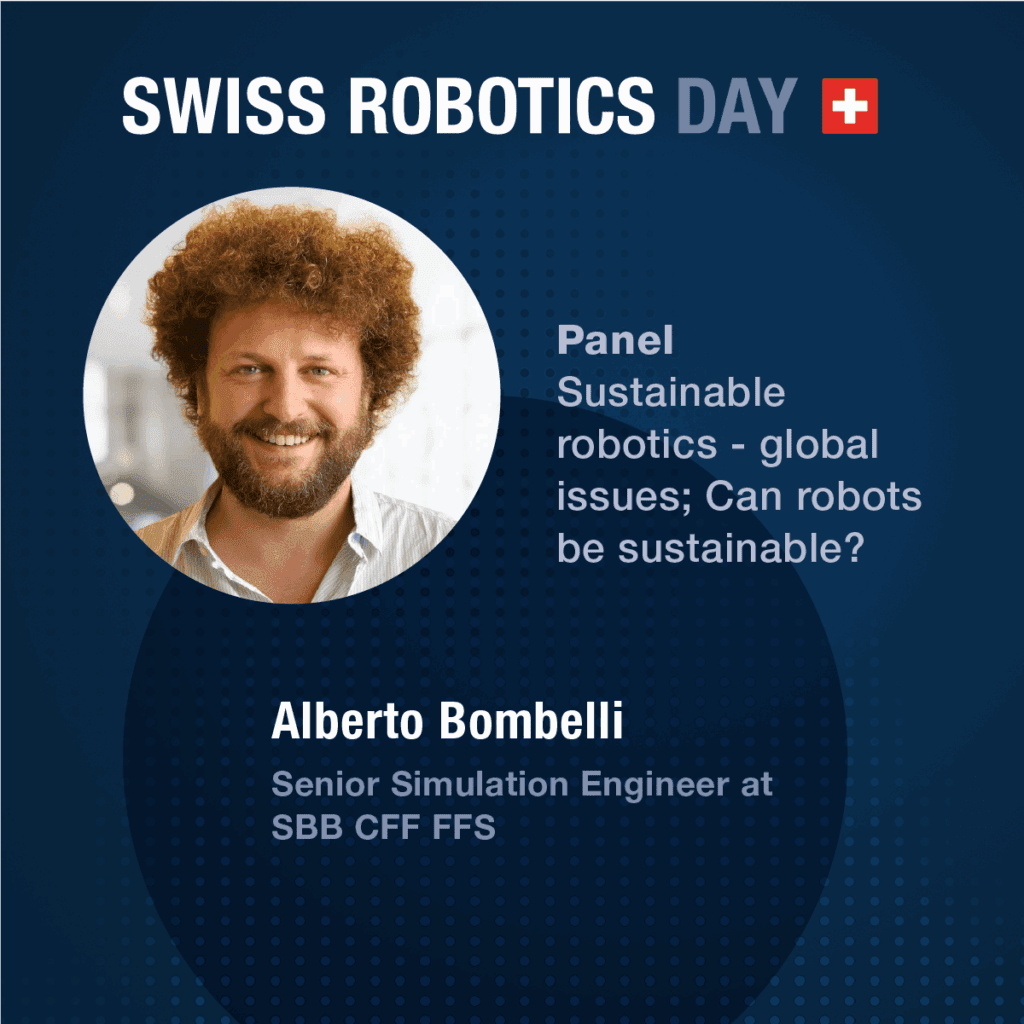
Alberto Bombelli

Senior Simulation Engineer at SBB CFF FFS

Alberto Bombelli is a Senior Simulation Engineer at SBB CFF FFS, where he focuses on agent-based simulation and data-driven solutions for optimizing railway operations. With a background in engineering management and production systems, he brings experience across process optimization, predictive maintenance, and industrial sustainability from roles in the energy, biomedical, and logistics sectors.

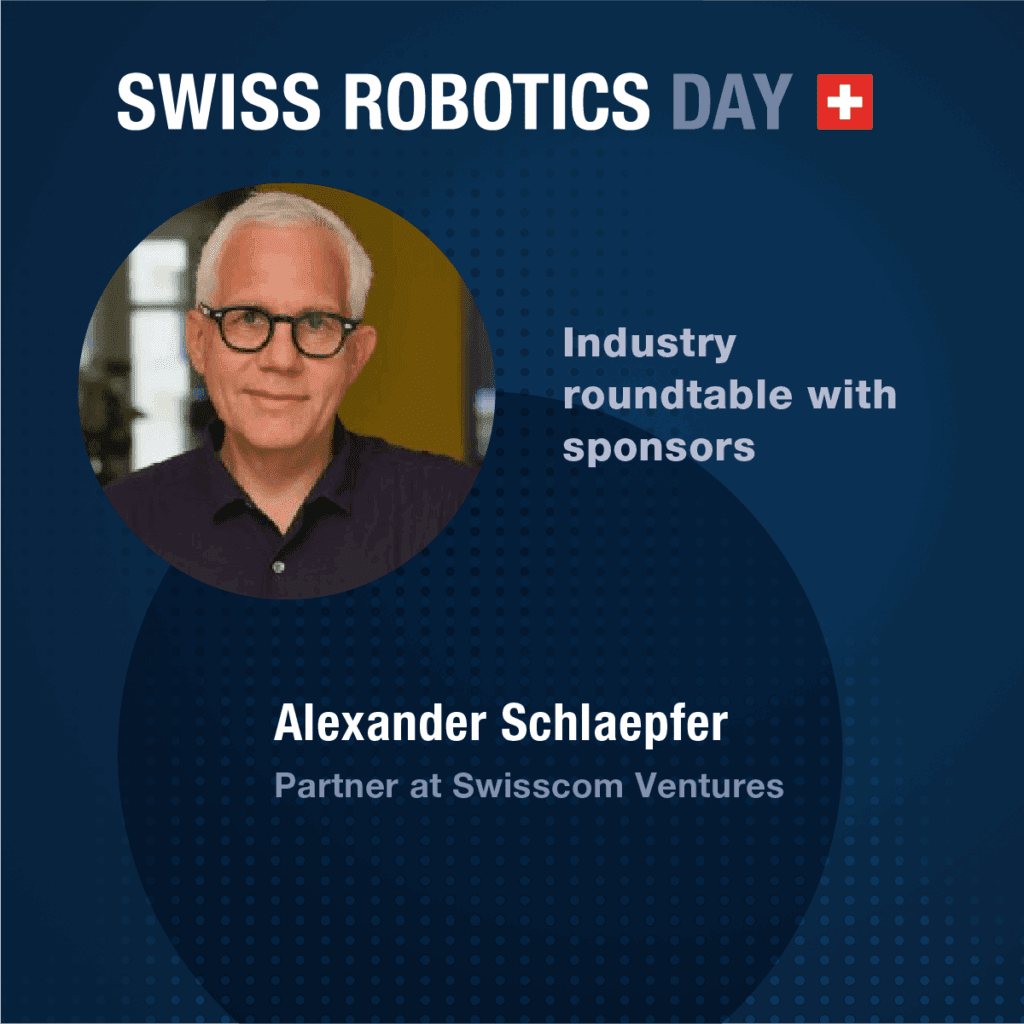
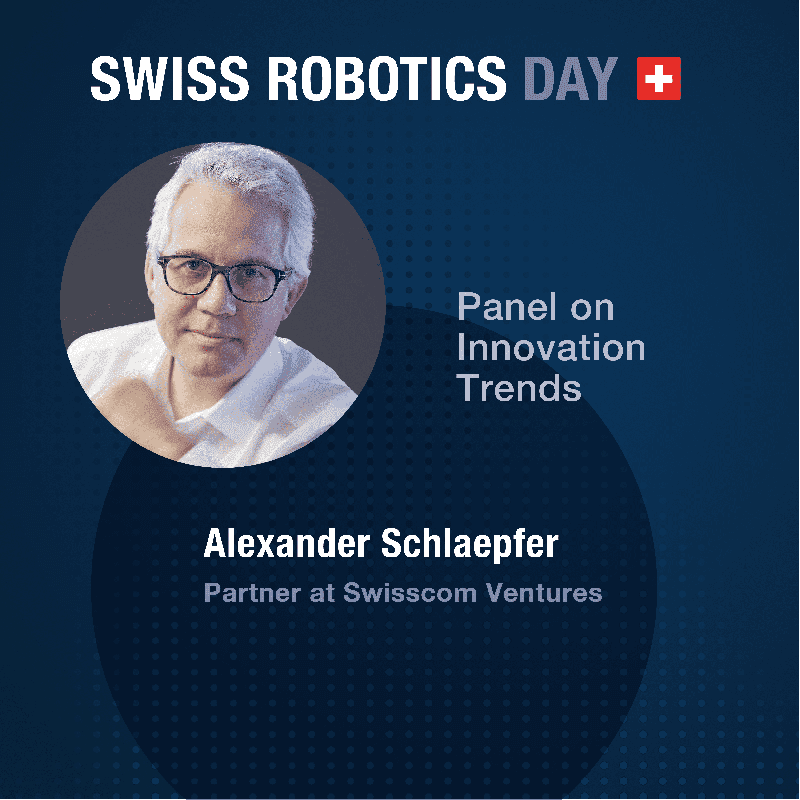
Alexander Schlaepfer is a Partner at Swisscom Ventures, where he invests in and supports high-potential technology companies across sectors such as robotics, enterprise productivity, and energy. With more than two decades of experience in venture capital, business development, and executive leadership, he has co-founded several ventures and led over 20 M&A transactions and five venture funds totaling nearly $1B in commitments.

Alexander is passionate about building and scaling businesses through innovation, process excellence, and transformative leadership. His background spans founding and managing joint ventures, leading global sales organizations, and serving on multiple company boards. His deep curiosity for technology continues to drive his mission to empower teams and help businesses grow with purpose and agility.

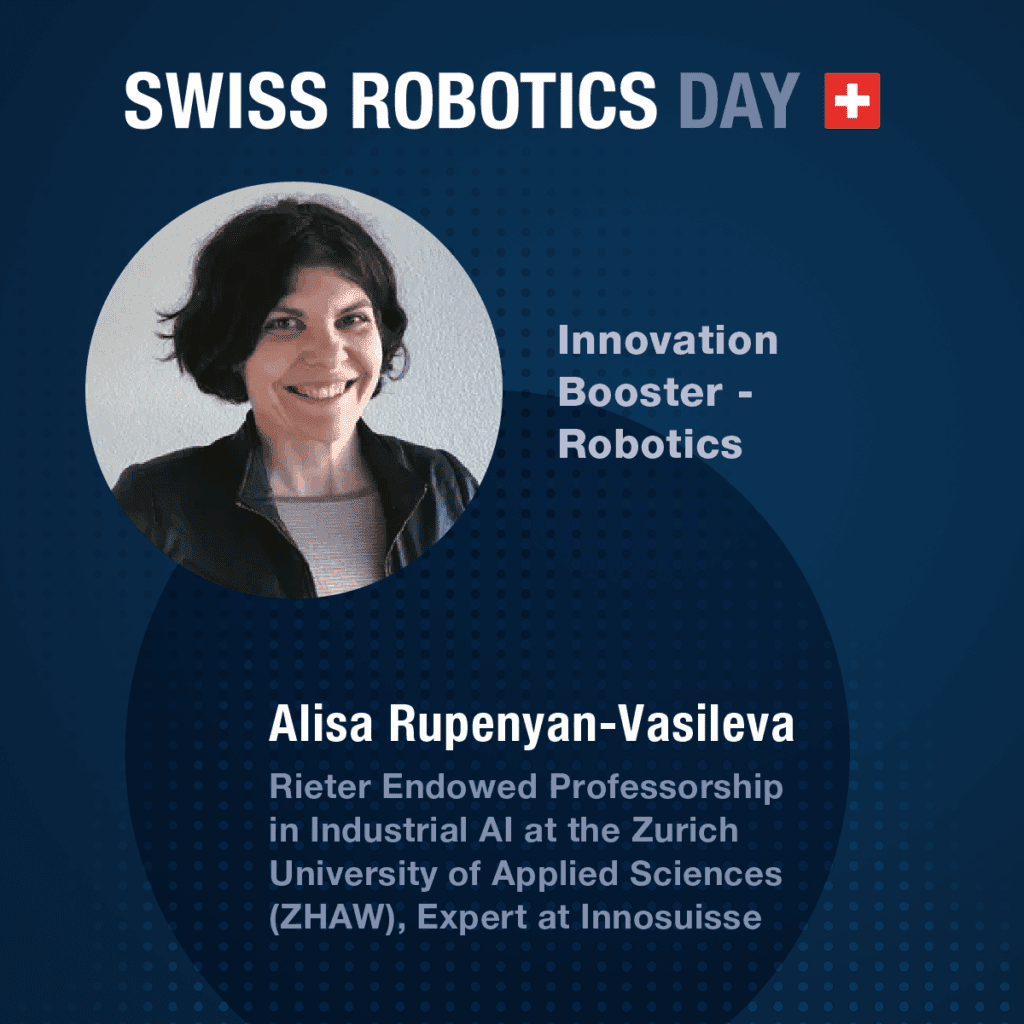
Prof. Dr. Alisa Rupenyan-Vasileva holds the Rieter Endowed Professorship in Industrial AI at the Zurich University of Applied Sciences (ZHAW). Based at the ZHAW School of Engineering, her research focuses on control amd AI-based methods for automation and process optimization of robotic and advanced manufacturing systems. Before joining ZHAW, she held senior scientific and leadership roles at ETH Zurich and other research institutions, and holds a PhD in Physics from the Vrije Universiteit Amsterdam. She leads multiple industrial AI and control-systems projects and is a recognised expert in machine learning for complex manufacturing challenges.

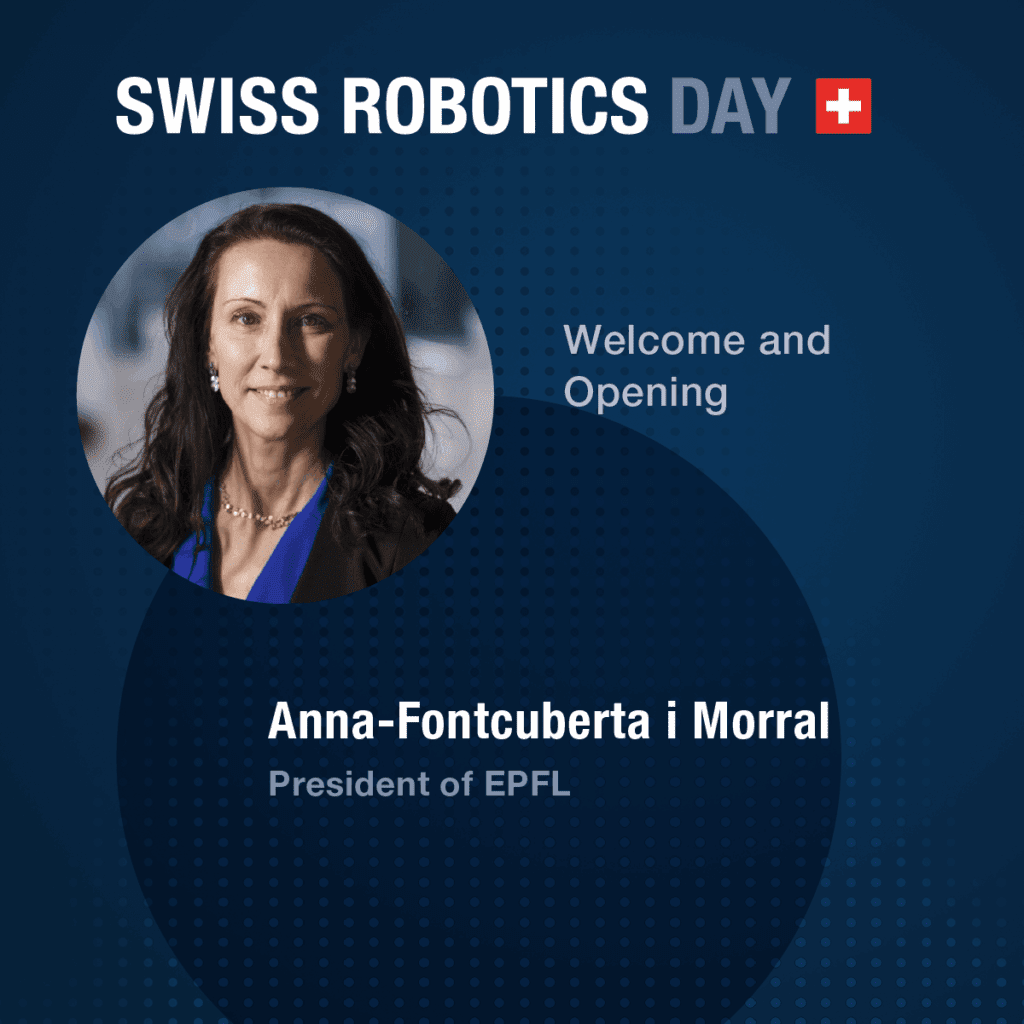
Prof. Anna Fontcuberta i Morral is the President of EPFL and a full professor of materials science and engineering. Appointed by the Swiss Federal Council in January 2025, she leads the School after a distinguished international career spanning Caltech, CNRS, and TU Munich. Since joining EPFL in 2008, she has directed the Laboratory of Semiconductor Materials, advancing research on nanowires and sustainable semiconductors. A strong advocate for women in science and cross-disciplinary collaboration, she has served in key national and international roles, including chairing the SNSF committee on international cooperation and representing Switzerland in quantum technology discussions at the World Economic Forum and CERN.

Prof. Anna Valente is Full Professor of Industrial Robotics. She got a Ph.D. in Manufacturing Technologies and Production Systems at Politecnico di Milano and a Post-doctorate in interoperability for adaptive factories from UBath, UK. Since 2006, she has been working in cooperation with big research institutions and industrial stakeholders operating in the manufacturing value chain. She is currently Head of the Laboratory for Automation, Robots and Machines with SUPSI-DTI-ISTePS where the core research deals with the design, engineering and prototyping of robotic solutions. She is the author of two books, several patents and more than 120 papers on system (re)configuration, robotics and control platforms. Since 2012 she has been coordinating several European and National Projects. She is Fellow member of CIRP – The International Academy for Production Engineering. She leads the SATW Advanced Manufacturing Platform. She was member of the Swiss Science Council SSC (elected in 2020), consultative body to the Federal Council, operating with Federal Department of Economic Affairs, Education and Research on the matter of science and educational policies and governance. In 2019, she has been awarded by the European Commission with the Woman-Led Innovation and the Grand Prix for Innovation. In 2021, she has been awarded with the Swiss DINNO Award by the President of the Swiss Confederation, Guy Parmelin.
She currently serves the Innosuisse and Swissphotonics Advisory Boards.

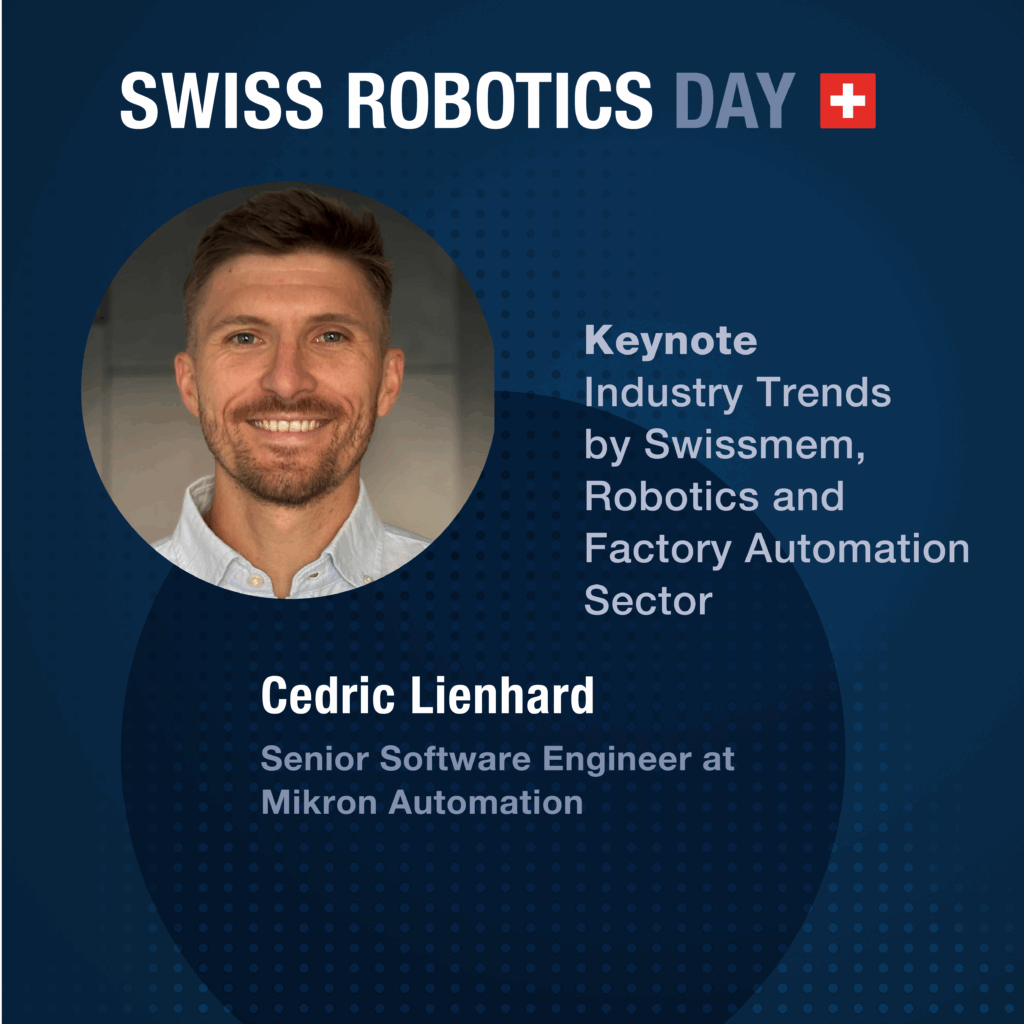
Cedric Lienhard is a Senior Software Engineer at Mikron Automation, specializing in machine learning, computer vision, and synthetic data generation.

Holding a Master’s in Artificial Intelligence and with several years of experience delivering production-grade vision systems in global B2B environments, he focuses on developing technologies to build robust, real-time solutions for high-volume industrial assembly machines. He actively explores advanced approaches such as synthetic data generation and efficient inference on constrained hardware to push the limits of what can be achieved in production environments.


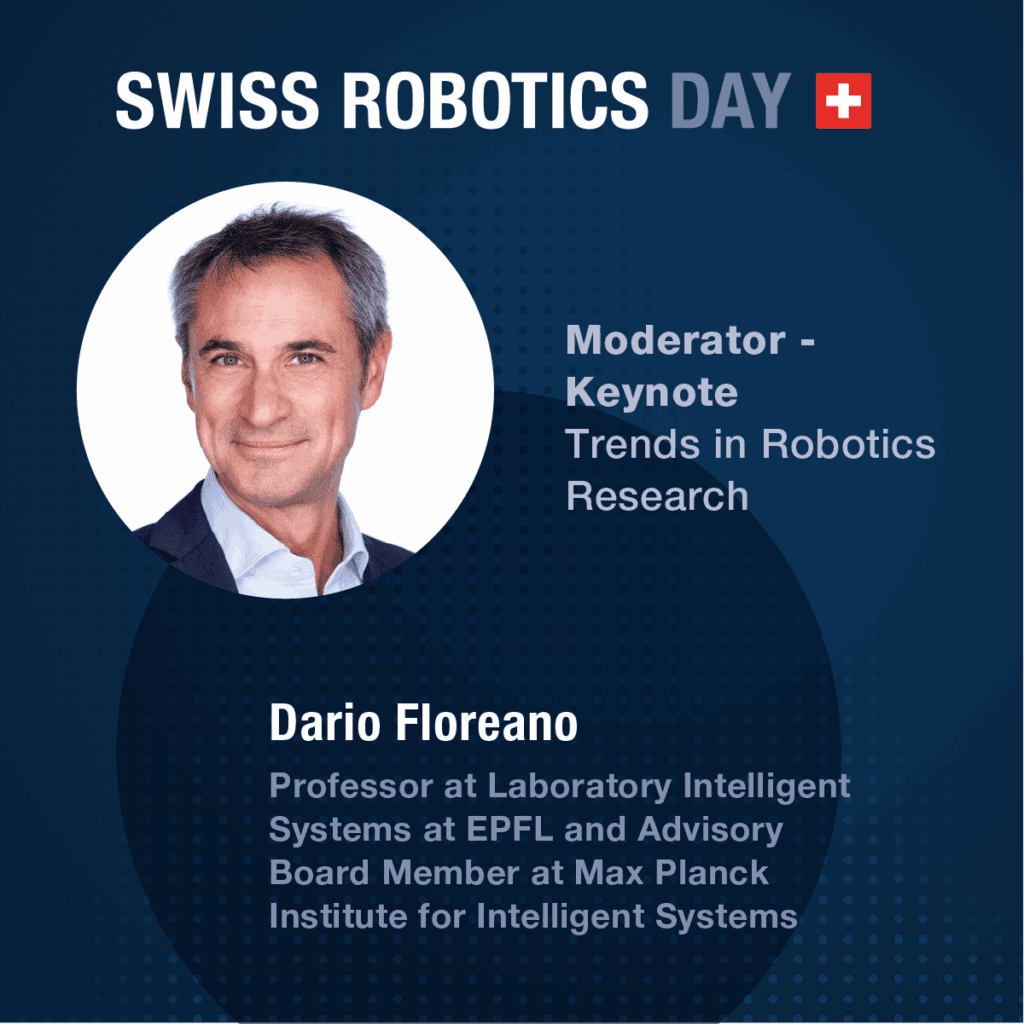
Prof. Dario Floreano is director of the Laboratory of Intelligent Systems at the Swiss Federal Institute of Technology Lausanne (EPFL). Between 2010 and 2022, he was the founding director of the Swiss National Center of Competence in Robotics, a research program that graduated almost 200 PhD students and more than 100 postdocs, funded two professorships at EPFL and University of Zurich, created the EPFL Master’s program in Robotics and the annual Swiss Robotics Day,
helped launch Cybathlon, and generated more than 15 robotics
spinoffs that created several hundred jobs.
Prof. Floreano holds an M.A. in Vision, an M.S. in Neural Computation, and a PhD in Robotics. He has held research positions at Sony Computer Science Laboratory, at Caltech/JPL, and at Harvard University. His research interests are Robotics and A.I. at the convergence of biology and engineering. Prof. Floreano made pioneering contributions to the fields of evolutionary robotics, aerial robotics, and soft robotics. He served in numerous advisory boards and committees, including the Future and Emerging Technologies division of the European Commission, the World Economic Forum Agenda Council, the International Society of Artificial Life, the International Neural Network Society, and in the editorial committee of several scientific journals. In addition, he helped spinning off three drone companies (senseFly.com, Flyability.com, Elythor.com) and a non-for-profit portal on robotics and A.I. (RoboHub.org).
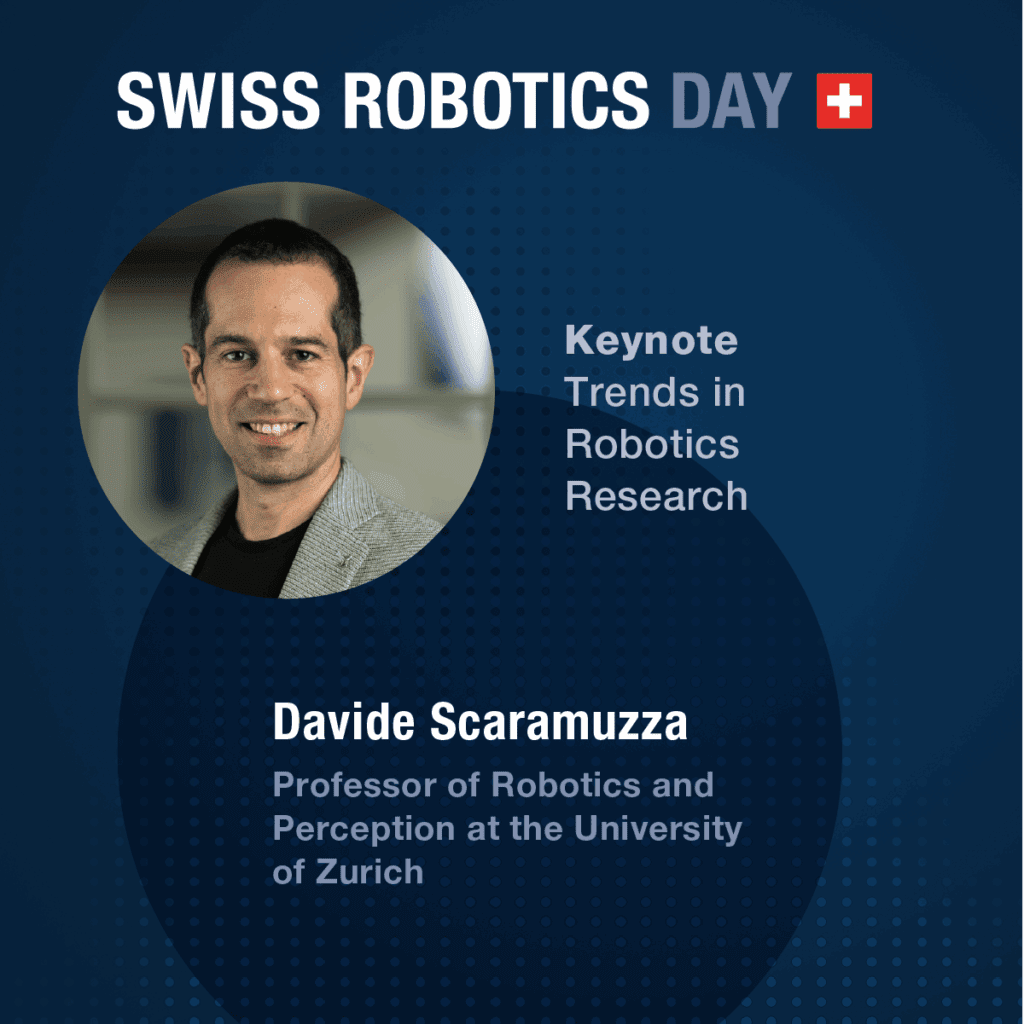
Davide Scaramuzza is a Professor of Robotics and Perception at the University of Zurich. He did his Ph.D. at ETH Zurich, a postdoc at the University of Pennsylvania, and was a visiting professor at Stanford University and NASA Jet Propulsion Laboratory. His research focuses on autonomous, agile navigation of mobile robots using standard and event-based cameras. He has made fundamental contributions to visual-inertial state estimation, autonomous vision-based agile navigation of micro flying robots, and low-latency perception with event cameras, which were transferred to many products, from drones to automobiles, cameras, AR/VR headsets, and mobile devices. In 2022, his team demonstrated that an AI-powered drone could outperform the world champions of drone racing. He received several awards, including a recent IEEE Technical Field Award, the elevation to IEEE Fellow, the IEEE Robotics and Automation Society Early Career Award, a European Research Council Consolidator Grant, a Google Research Award, and many paper awards. In 2015, he co-founded Zurich-Eye, today Meta Zurich, which developed the head-tracking software of the Meta Quest. In 2020, he co-founded SUIND, which builds autonomous drones for precision agriculture. Many aspects of his research have been featured in the media, such as The New York Times, The Guardian, The Economist, and Forbes.

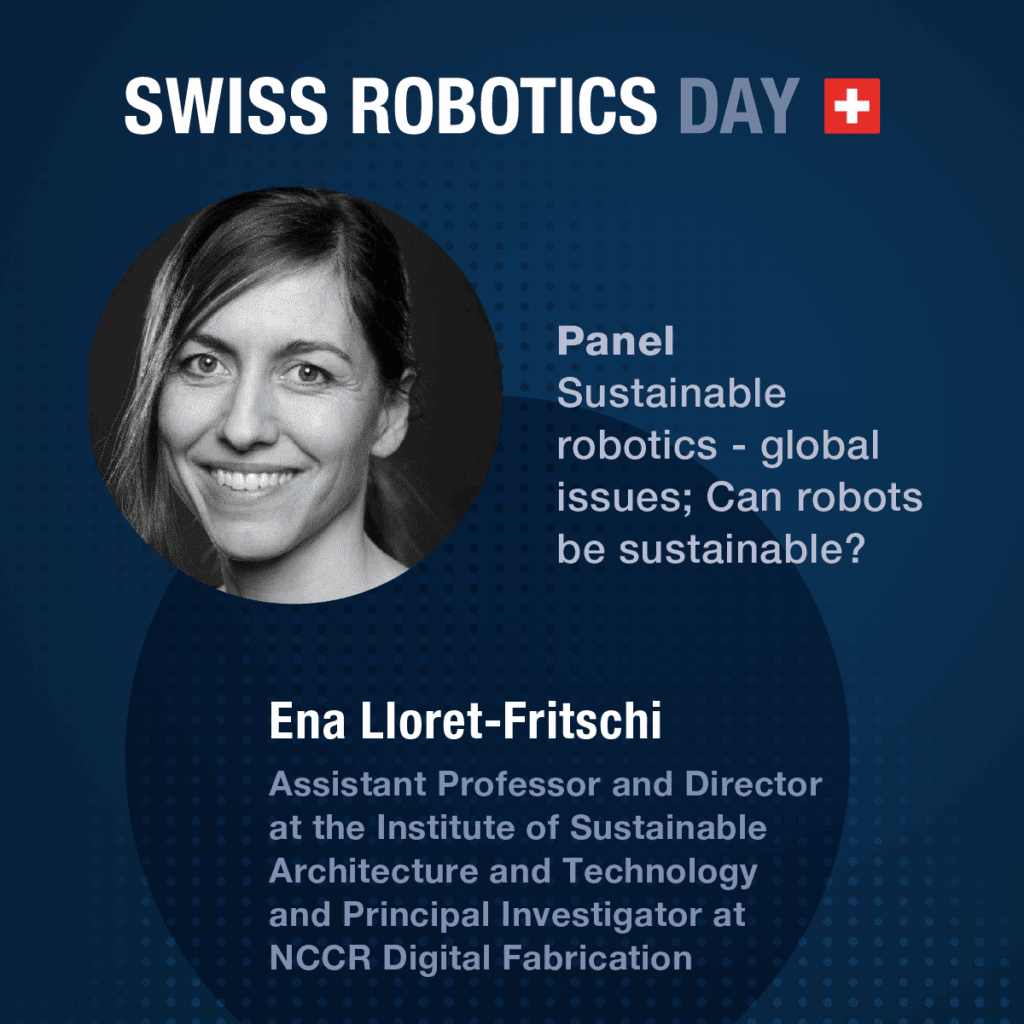
Dr. Ena Lloret-Fritschi is an architect and Assistant Professor at the Accademia di Architettura Mendrisio (AAM-USI), where she directs the Institute of Sustainable Architecture and Technology (IAST) and leads the Fabrication- & Material-Aware Architecture (FMAA) group. A Principal Investigator at the NCCR Digital Fabrication, she explores how digital and robotic technologies can enable sustainable and resource-efficient construction, particularly with earth and concrete. Co-founder of Foldcast, a research and design practice focused on robotic concrete casting, she previously worked with OMA, Dietrich Untertrifaller and Allmann Sattler Wappner, and held a postdoctoral position at ETH Zurich bridging architecture, materials science, and digital fabrication.

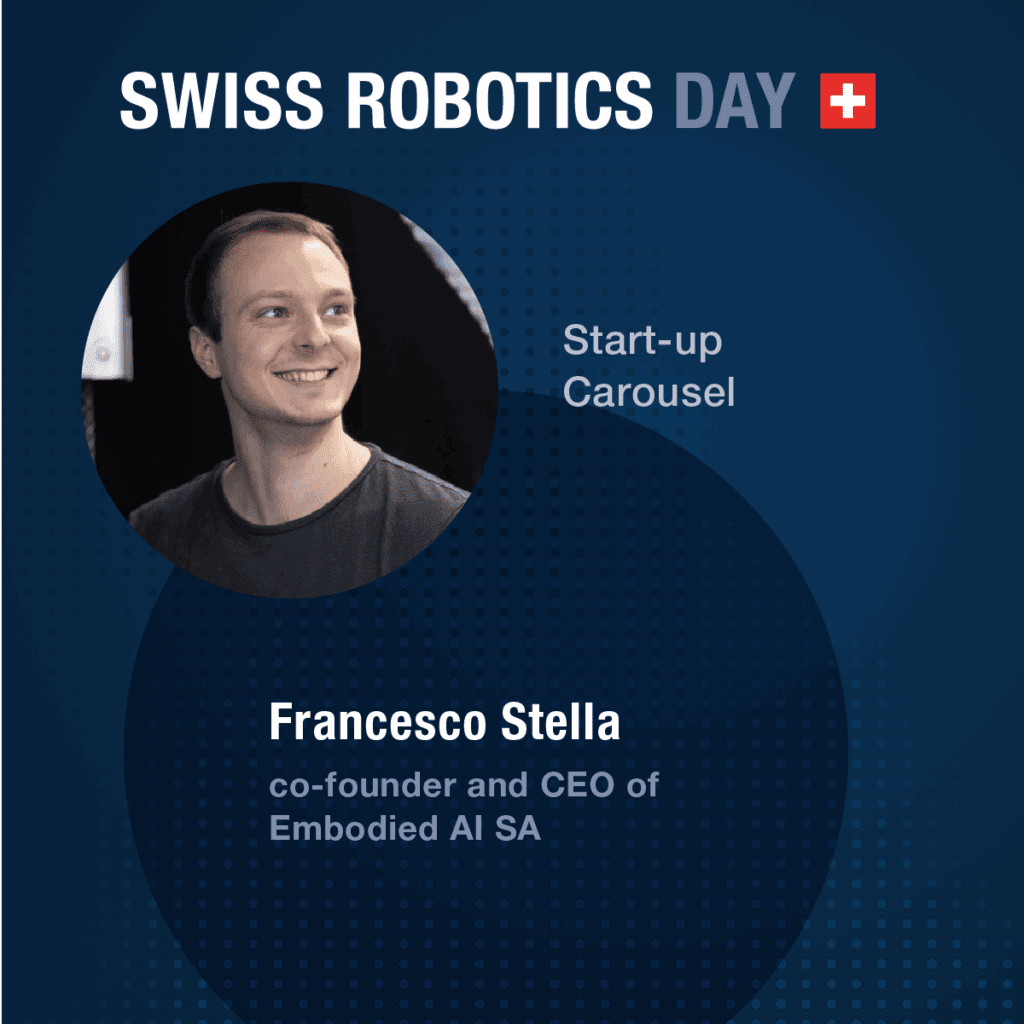
Francesco Stella is the co-founder and CEO of Embodied AI SA, a Swiss spinoff dedicated to developing safe robotic systems for human spaces. Previously he did a Ph.D. at EPFL Create Lab and research stays at MIT CSAIL and TU Delft.

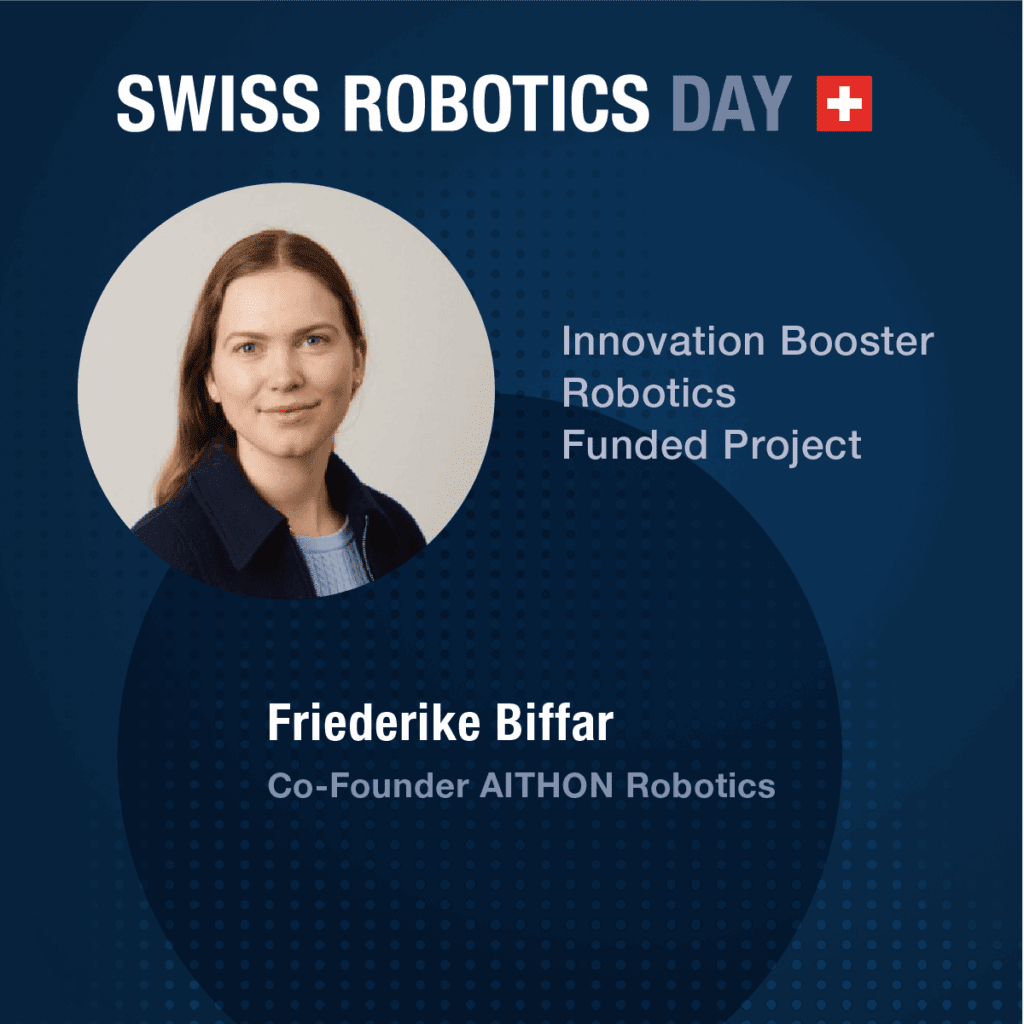
Friederike Biffar is the Co-Founder of AITHON Robotics and an ETH Pioneer Fellow, working at the intersection of robotics and infrastructure innovation. At AITHON Robotics, she leads partnerships and business development, translating the company’s advanced drone technologies — designed for high-force and large-area work at height — into scalable, real-world applications across the industrial and infrastructure sectors. Her work bridges cutting-edge robotics research with tangible market impact.

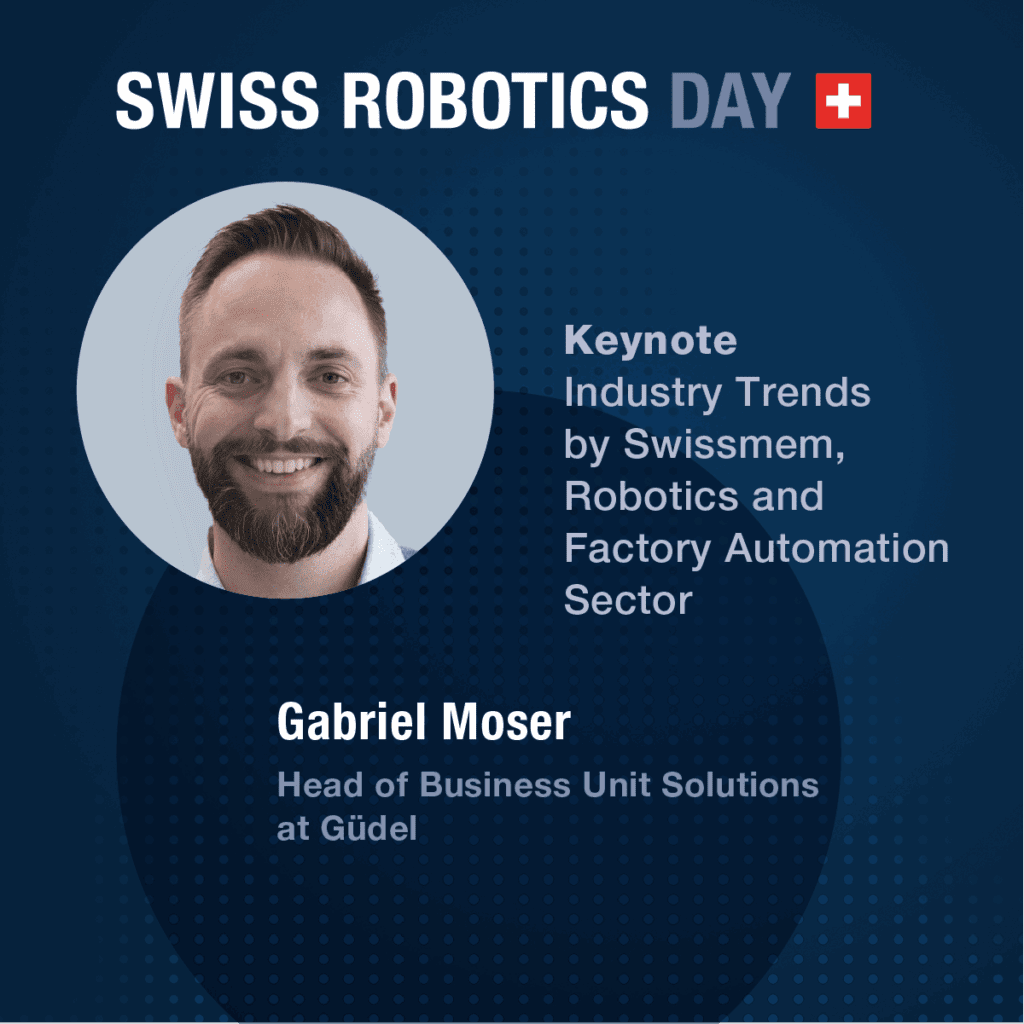
Gabriel Moser is Head of the Business Unit Solutions at GĂĽdel AG, where he drives innovation in industrial automation and advanced system solutions. With over 13 years of experience in automation and global B2B markets, he focuses on transforming complex challenges into scalable, high-performance solutions. His expertise spans robotics integration, automation strategy, and cross-functional leadership, delivering measurable impact for leading industrial and automotive clients worldwide.

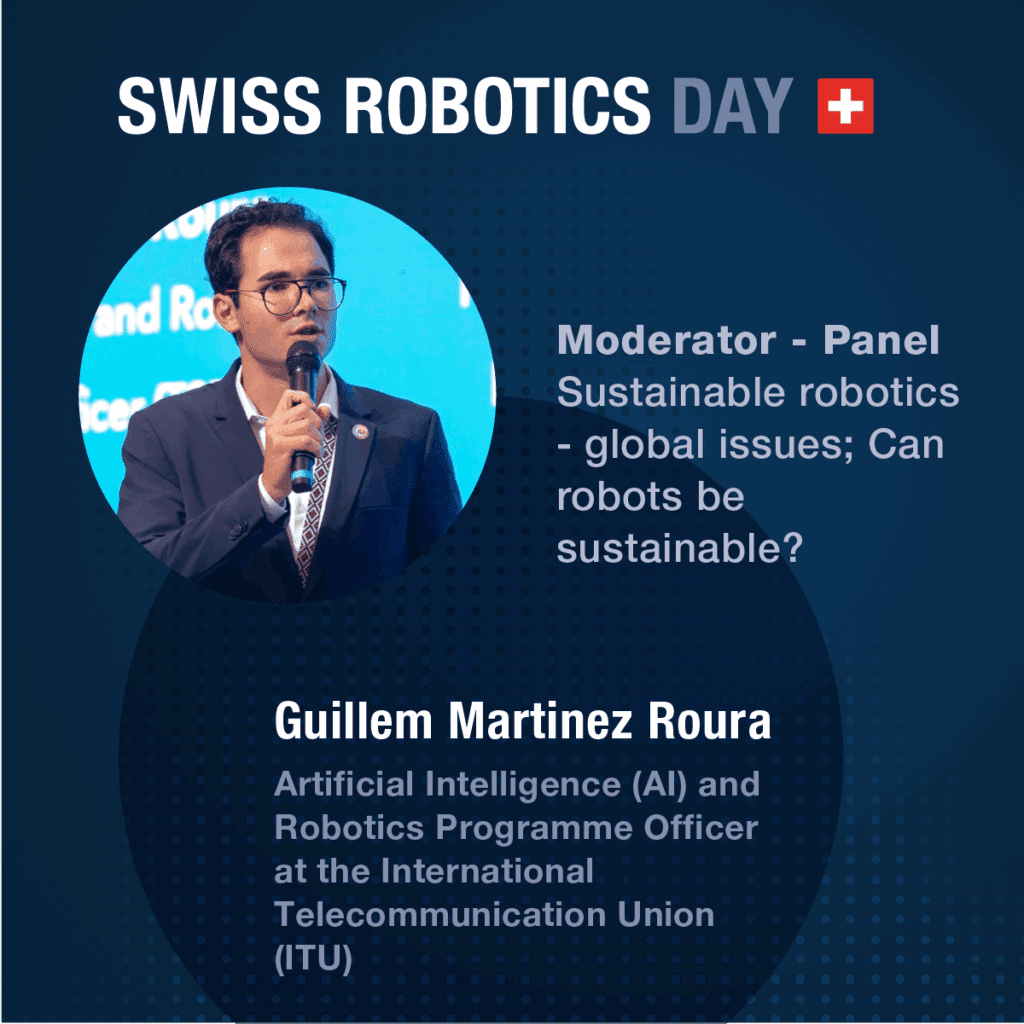
Guillem Martinez Roura is the Artificial Intelligence (AI) and Robotics Programme Officer at the International Telecommunication Union (ITU), the United Nations specialized agency for digital technologies. He leads strategic initiatives that shape the role of AI and robotics in tackling global challenges, fostering international collaboration on capacity building and standards development. His work is dedicated to ensuring that AI and robot

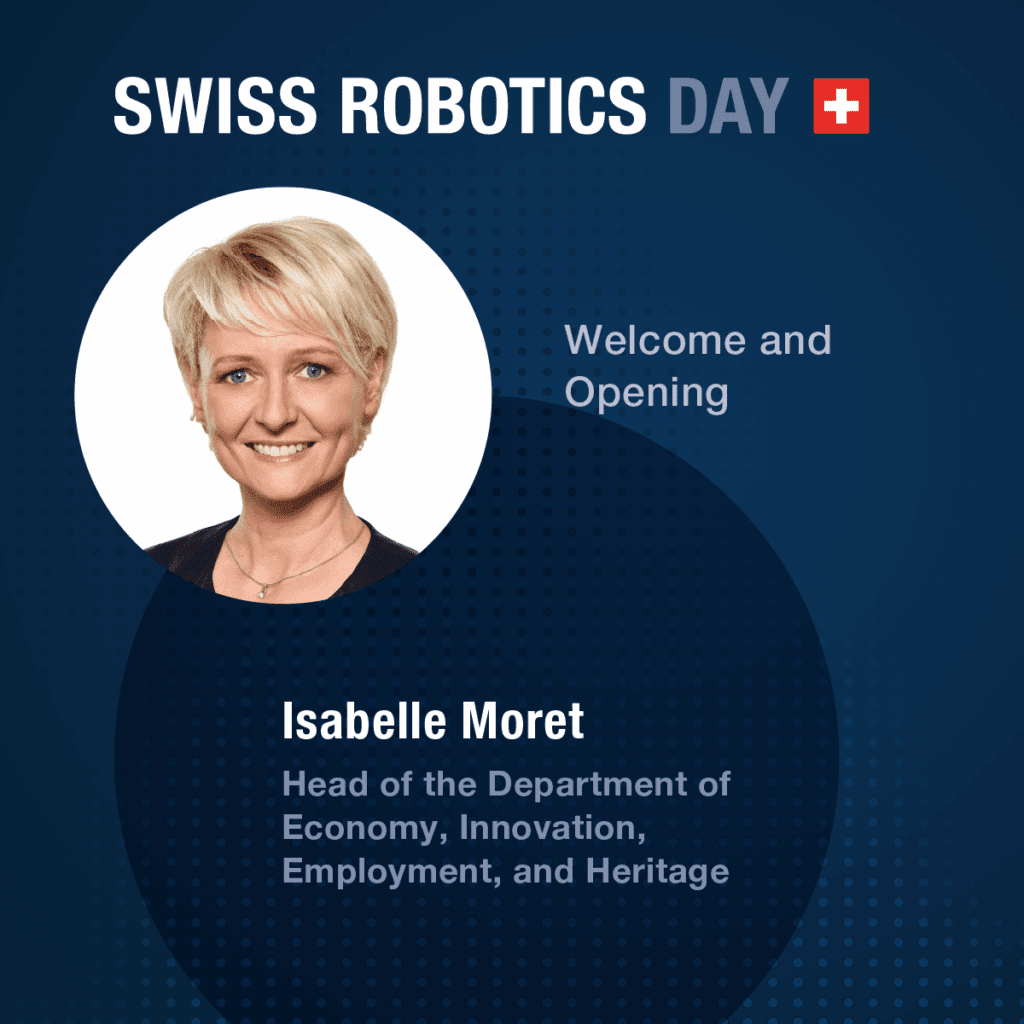
Isabelle Moret is Head of the Department of Economy, Innovation, Employment and Heritage of the Canton of Vaud. Elected to the Council of State in April 2022, she took office on July 1 of the same year. A lawyer by training, she served as a National Councillor from 2006 until her election to the cantonal government and was Vice President of the Swiss Liberal-Radical Party (2008–2016). In 2019–2020, she presided over the National Council, leading the chamber during the height of the COVID-19 pandemic.

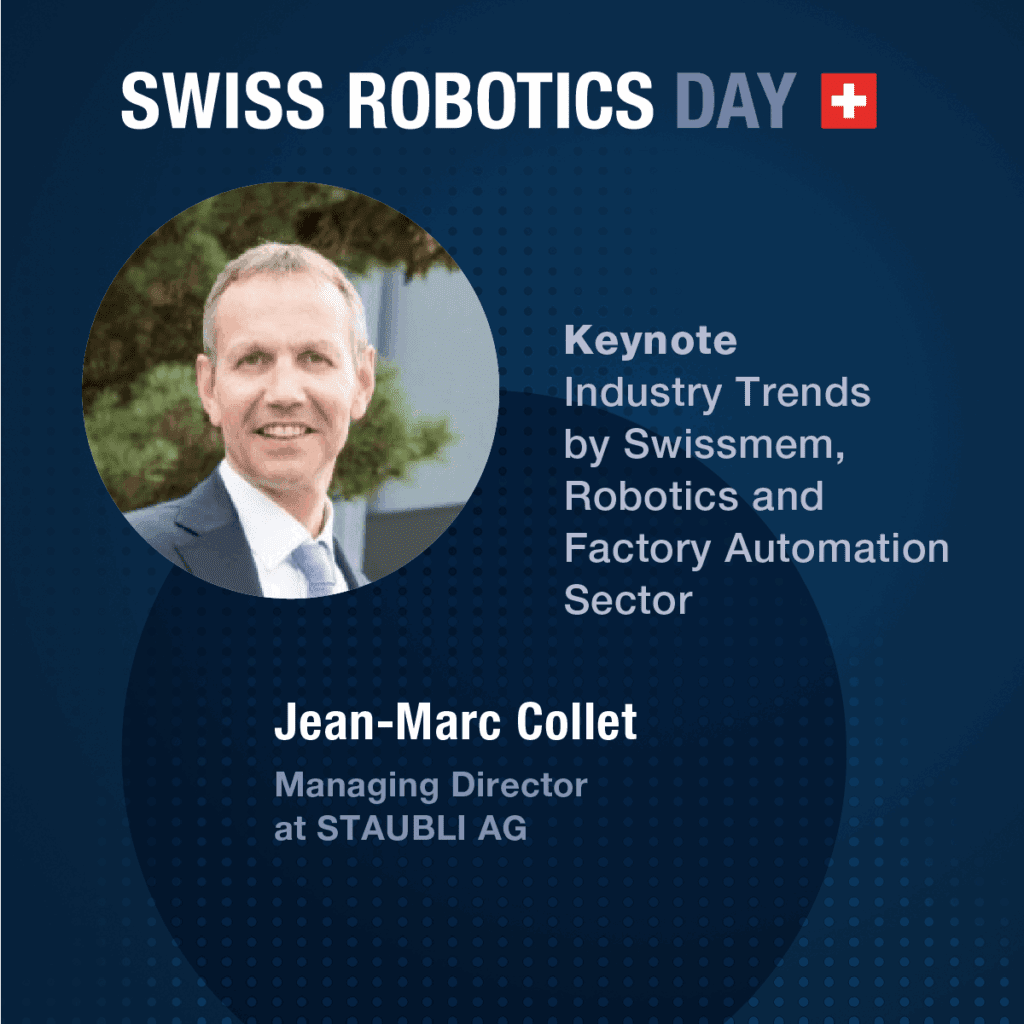
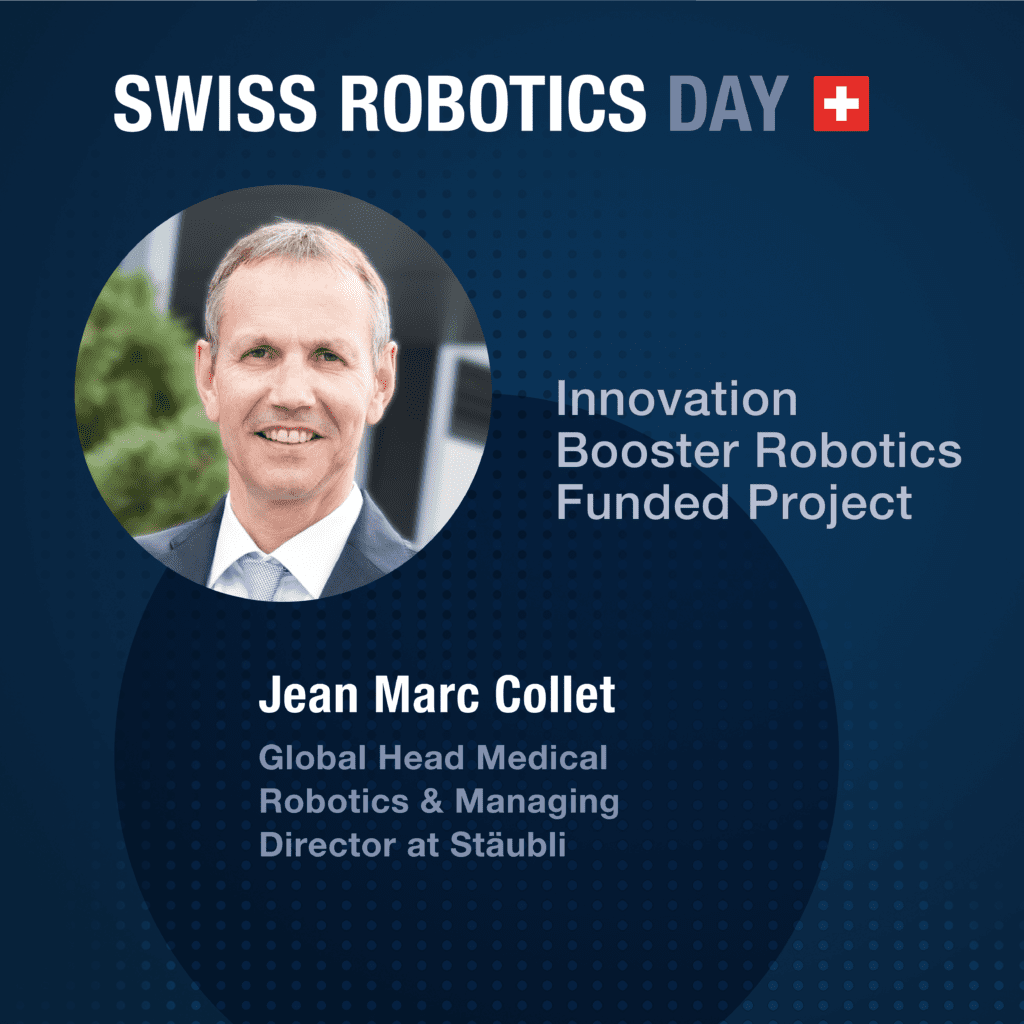
With three decades of experience in industrial robotics and automation, Jean-Marc Collet serves as Managing Director for Switzerland at Stäubli.

His passion for the Human-Machine relationship and his constant commitment to the deployment of robotic ecosystems have enabled him to build a comprehensive expertise.

Among other achievements, Jean-Marc has also been active as Global Head of Medical Robotics.

At the Swiss Robotics Days, he will highlight how robots are transforming clinical applications, thereby creating new value for medical teams and patients.

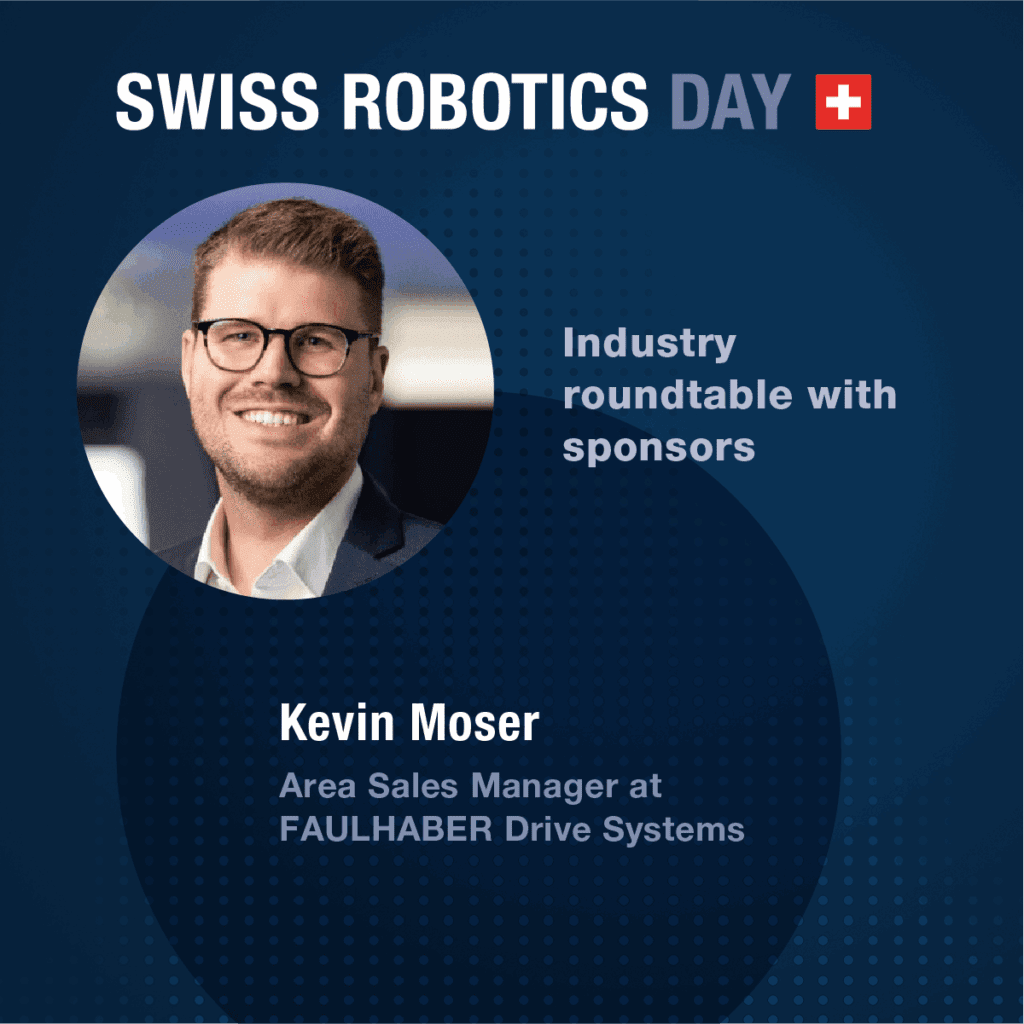
Kevin Moser is Area Sales Manager at FAULHABER, where he helps customers across industries identify and implement tailored drive system solutions. With a background in both engineering and business management, Kevin bridges technology and application, ensuring every solution meets the specific performance and design needs of its market—from the precise movement of medical devices to the powerful traction drives of AGVs. Passionate about innovation and collaboration, he works with international teams to turn complex challenges into efficient, high-quality motion systems.

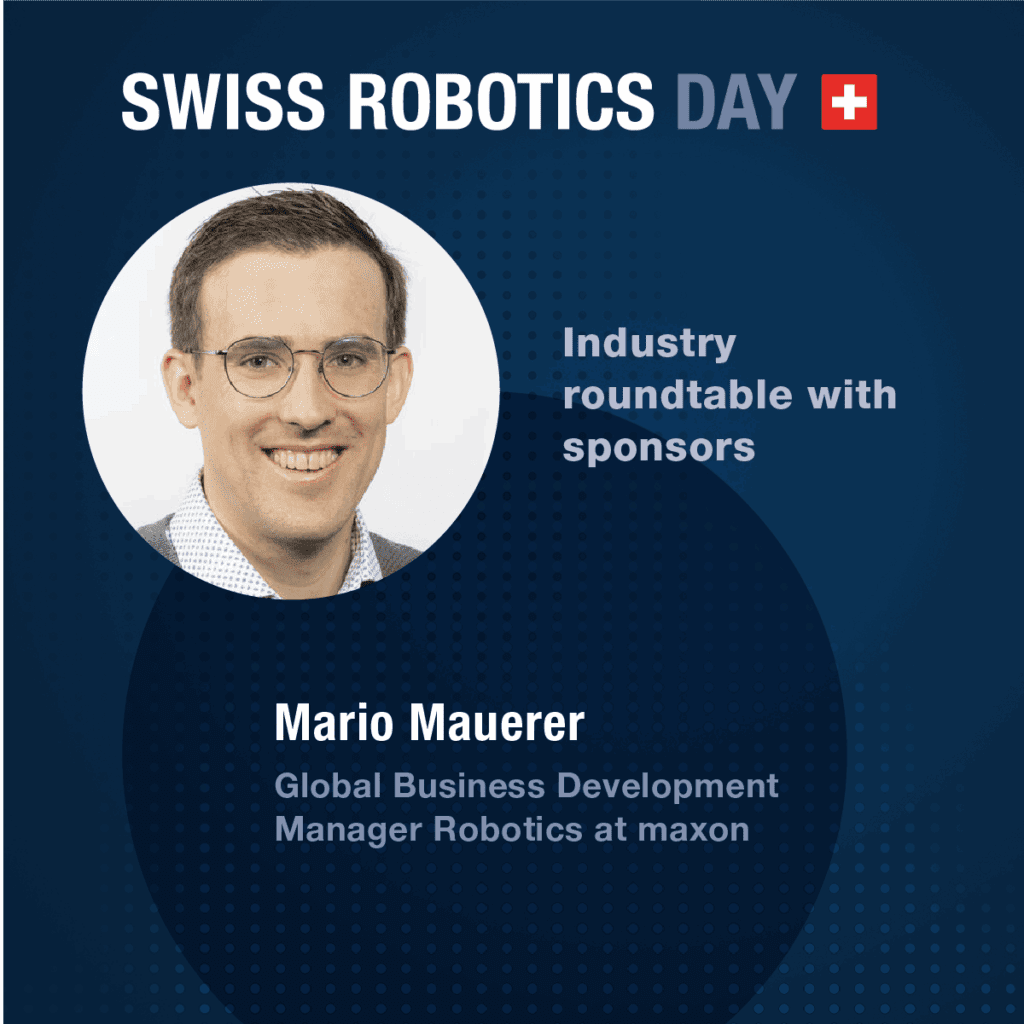
Mario Mauerer is a Roboticist and Business Leader at maxon, where he collaborates with global robotics companies to develop advanced drive system solutions that bring AI into the physical world. His work bridges engineering and business, focusing on translating technological innovation into meaningful real-world impact.

With a passion for robotics, leadership, and product development, Mario is dedicated to accelerating the adoption of intelligent motion systems that enhance both industrial performance and everyday life. At maxon, he contributes to the company’s mission to combine precision engineering with manufacturing excellence — helping shape the next generation of robotic


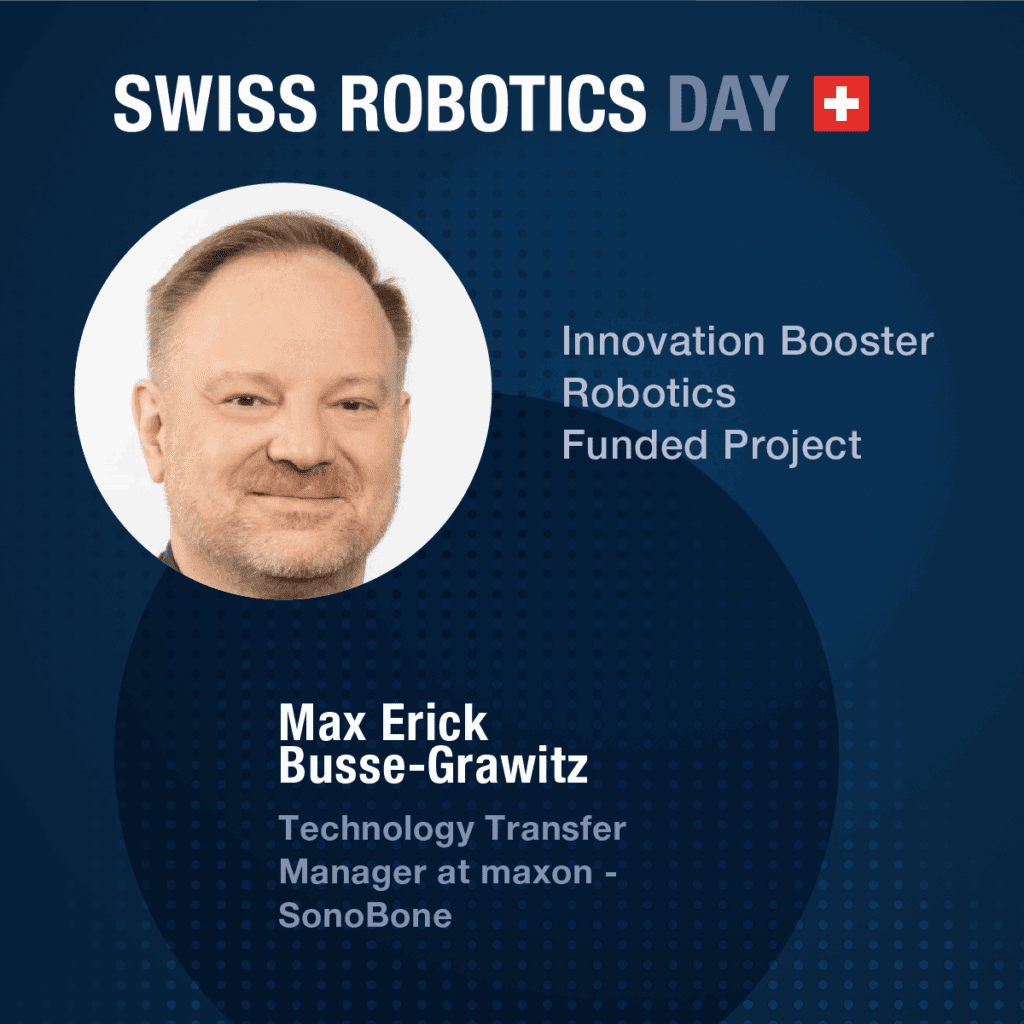
Max Erick Busse-Grawitz is the Technology Transfer Manager at the maxon Group, where he leads initiatives that bridge cutting-edge research with industrial innovation. His work includes technology scouting, fostering collaborations with start-ups and academic institutions, and contributing to the NTN Innovation Booster Robotics as well as the Scientific Advisory Board of the Swiss Academy of Engineering Sciences (SATW).

With a strong focus on interdisciplinary high-tech projects, Max Erick connects science and industry to bring forward-thinking ideas to practical application.

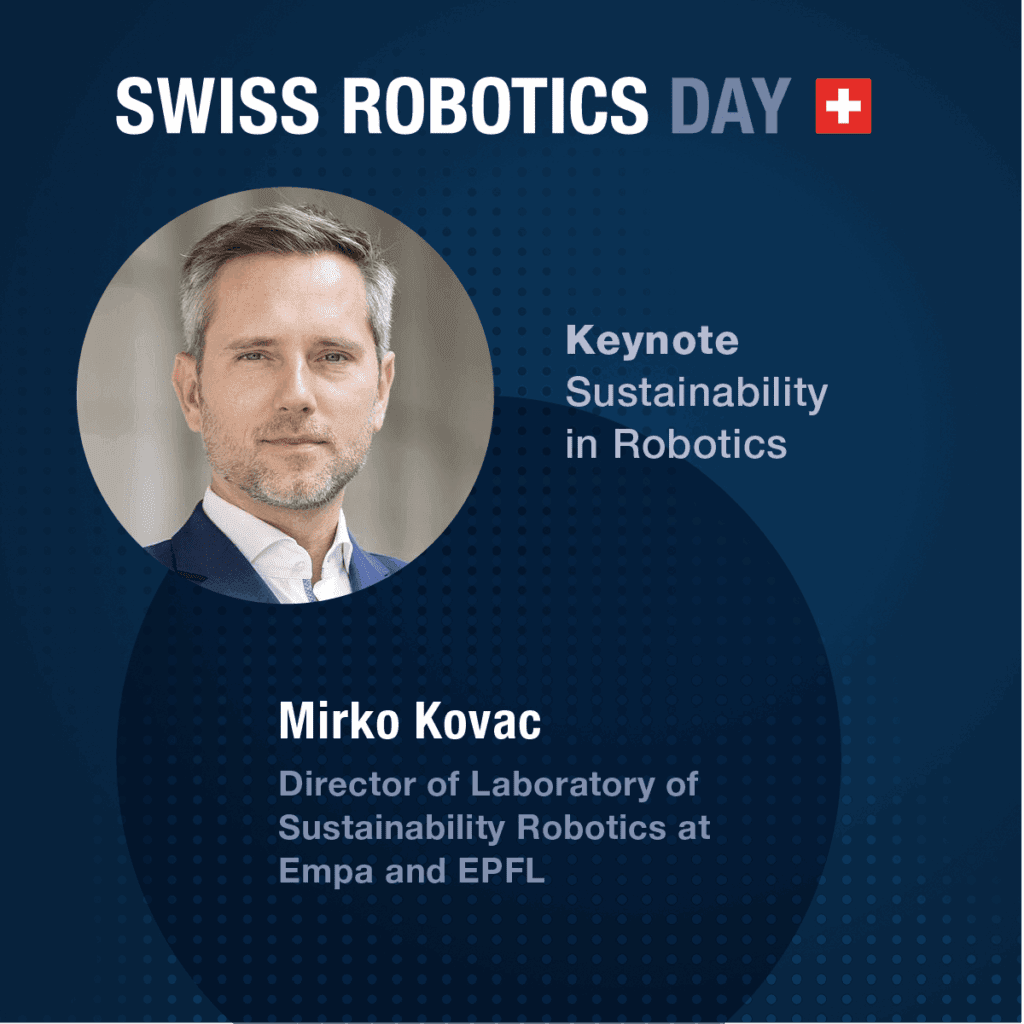
Prof. Mirko Kovac is a director of Laboratory of Sustainability Robotics at the Swiss Federal Laboratories for Materials Science and Technology (Empa) in ZĂĽrich and the École Polytechnique FĂ©dĂ©rale de Lausanne (EPFL). Before his appointment at EPFL he was full Professor at Imperial College London and still holds a honoary Professor position at Imperial. His research group focusses on the development of novel mobile robots for distributed sensing and autonomous manufacturing in complex natural environments. Prof. Kovac’s particular specialisation is in robot design, hardware development and multi-modal sensor mobility.
He was post-doctoral researcher at Harvard University and obtained his PhD at the Swiss Federal Institute of Technology in Lausanne (EPFL). He received his undergraduate degree in Mechanical Engineering from the Swiss Federal Institute of Technology in Zurich (ETHZ) in 2005.
Since 2006, he has presented his work in more than 100 peer reviewed publications in leading conferences and journals, has won several best paper awards and has delivered over 100 keynote and invited lectures. He also regularly acts as advisor to government, investment funds and industry on robotics opportunities.

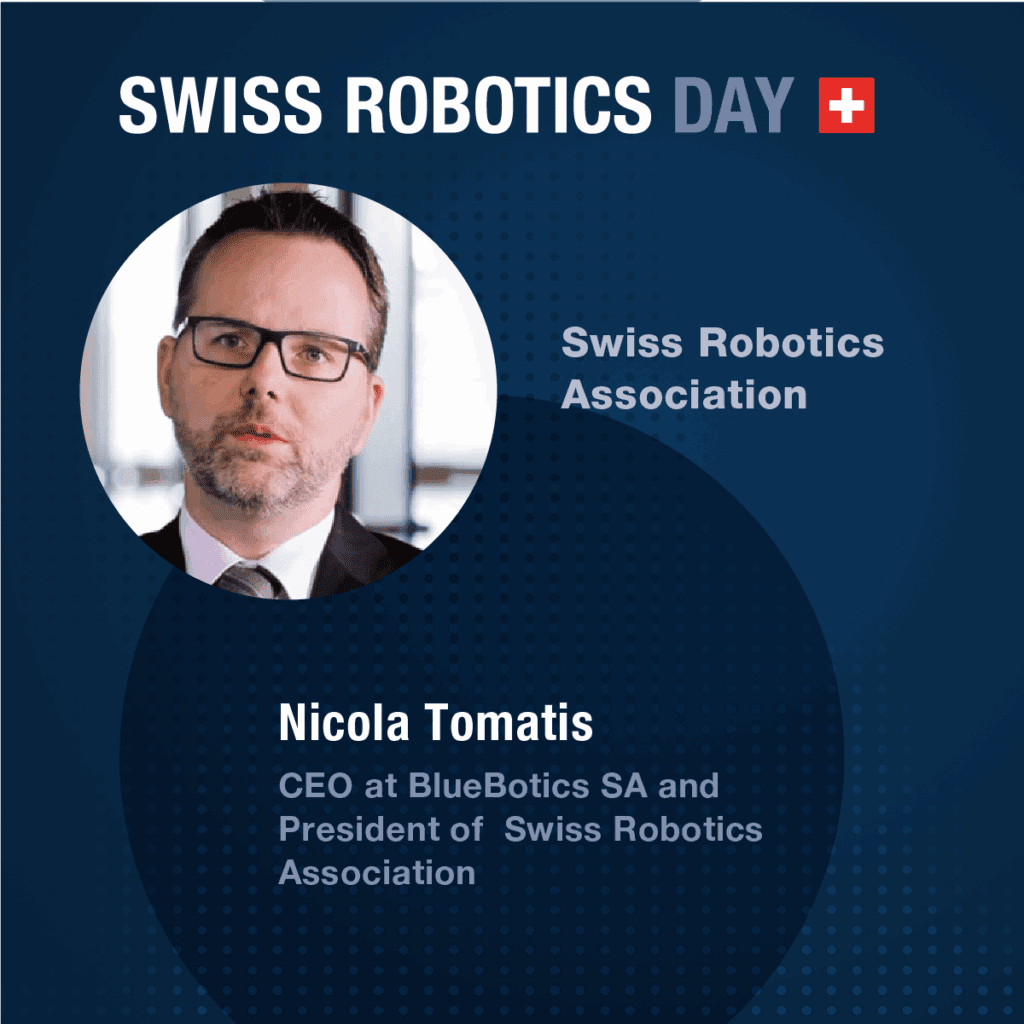
Nicola has been the CEO of BlueBotics since 2003 and joined its Board of Directors in 2015. He holds an M.Sc. in Computer Science from ETH Zurich and a PhD in Robotics from the EPFL in Lausanne. He received the IEEE Early Career Award in Robotics and Automation in 2008 and has twice been included in Bilan’s 300 Most Influential People in Switzerland

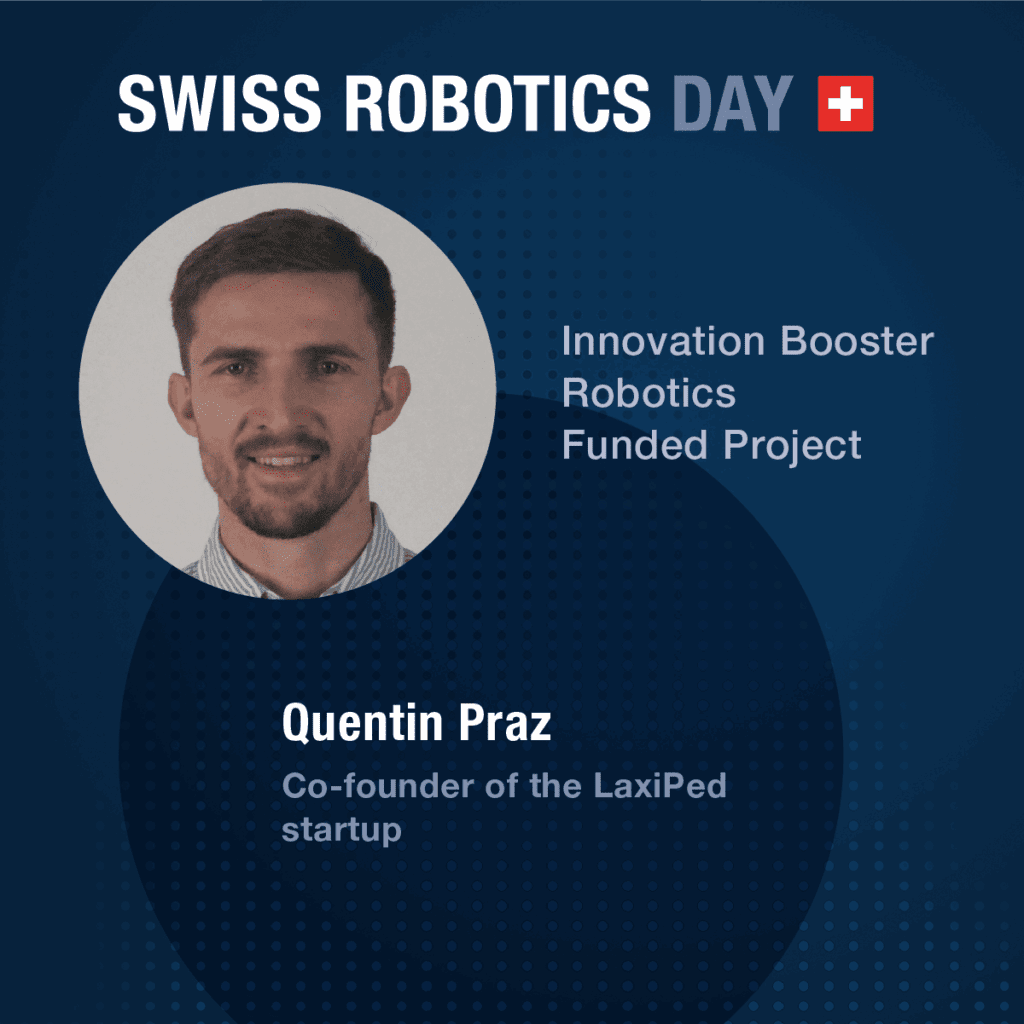
Quentin Praz is a biomedical R&D engineer and co-founder of the LaxiPed startup. He is passionate about developing medical technologies that generate real clinical impact and improve patient care.

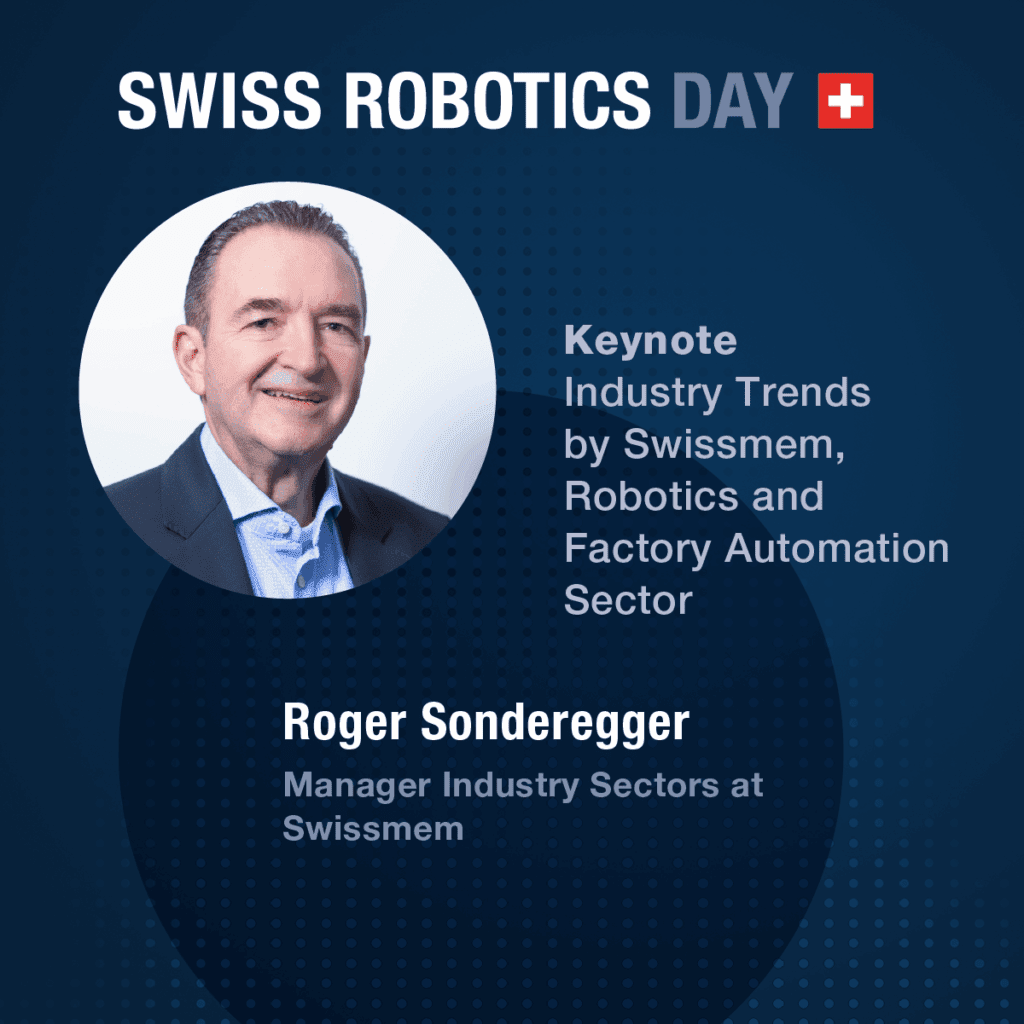
Roger Sonderegger is Manager of Industry Sectors at Swissmem, the Swiss association representing the mechanical and electrical engineering industries. Since 2019, he has led key sectors including Robotics & Factory Automation, Process Technology, and New Energy Systems, fostering collaboration and innovation across the Swiss tech landscape. With over 25 years of international experience in sales, business development, and strategic management at companies such as Bosch Packaging Technology, Gericke Powder Handling, Shell International, and Olympus Optical, Roger brings deep expertise in industrial automation and global market development. He holds a master’s degree in Business Economics from the University of Zurich and is fluent in German, English, and Italian.

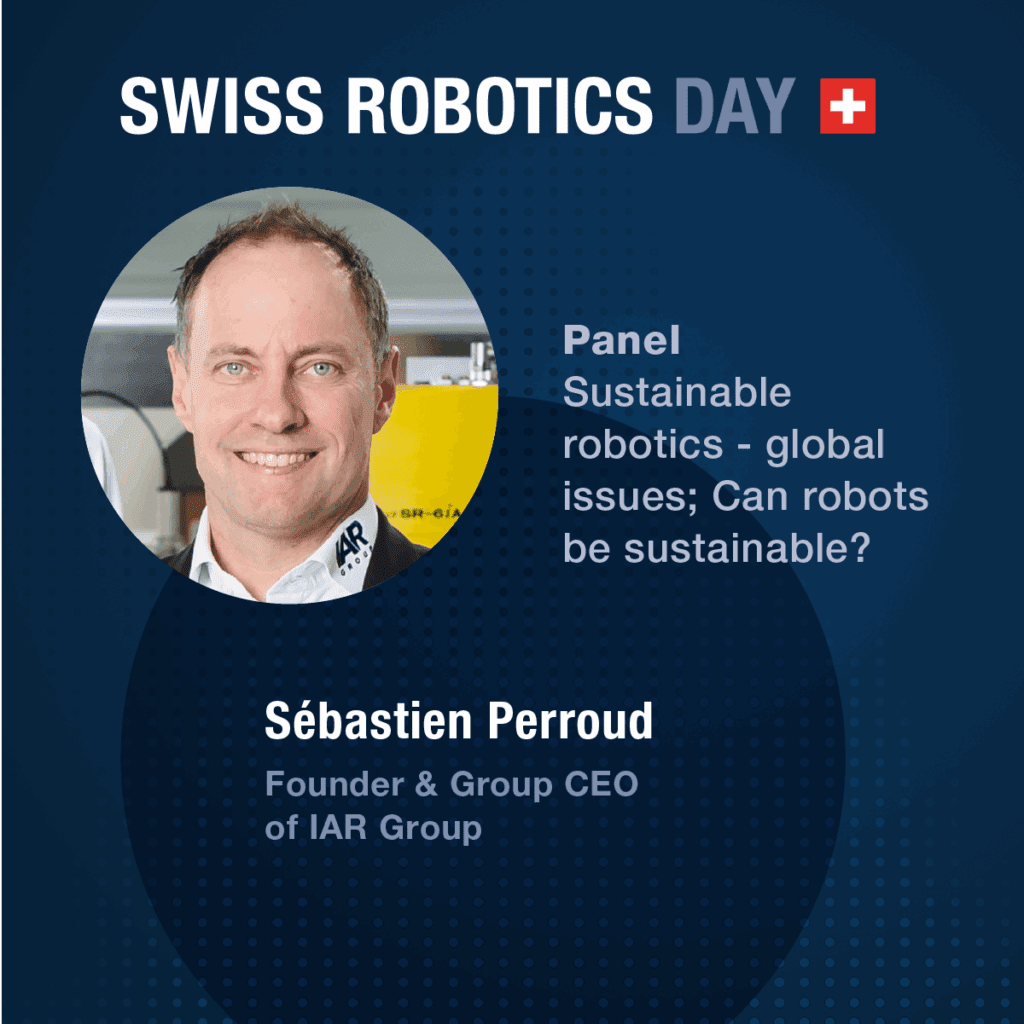
Sebastien Perroud is the Founder and Group CEO of IAR Group, a Swiss-based international company specializing in advanced automation and robotics solutions. Under his leadership, IAR Group designs and engineers custom assembly systems and cutting-edge robotic technologies to enhance manufacturing efficiency and competitiveness. With strategic business units across North America, Iberia, and Central Europe, the Group fosters collaboration and innovation to drive the global automation transformation.

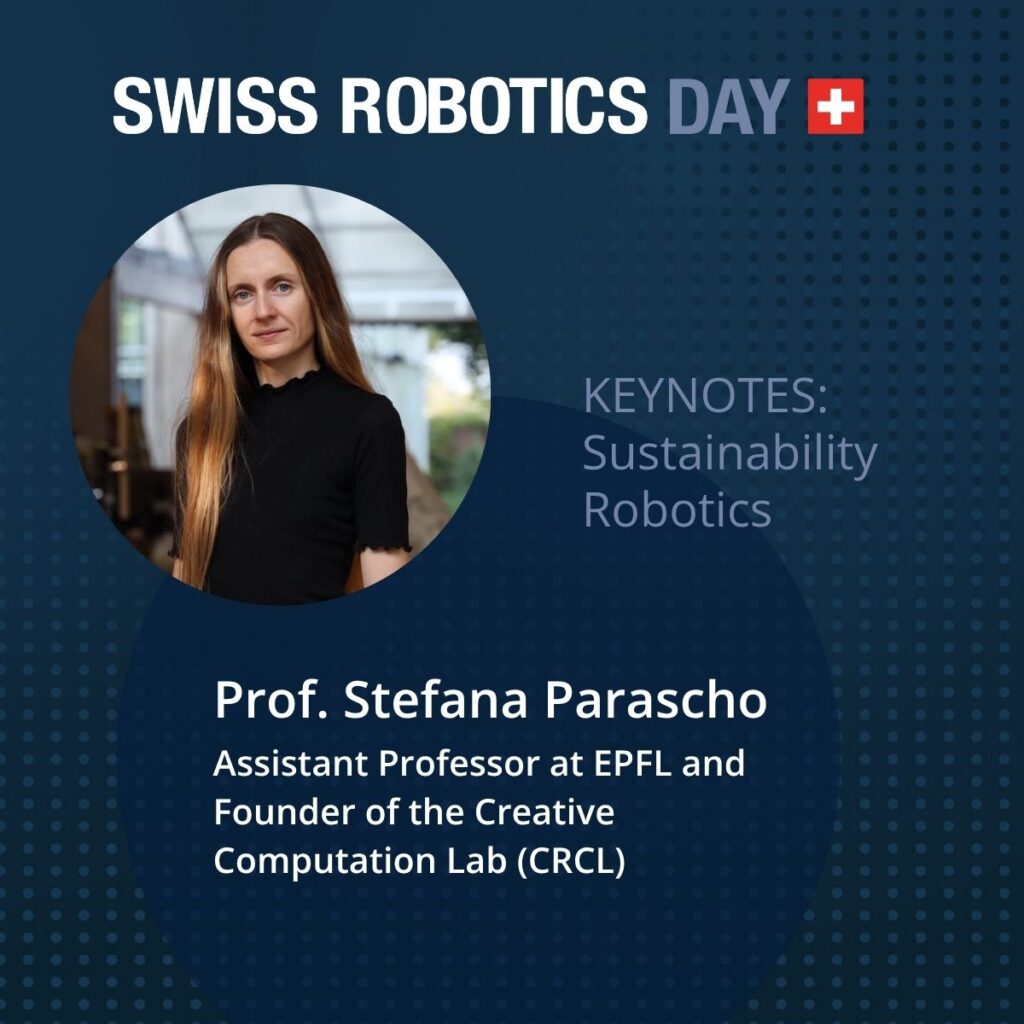
Prof. Stefana Parascho is a researcher, architect, and educator whose work lies at the intersection of architecture, robotics and computational design. She is currently an Assistant Professor at EPFL where she founded the Lab for Creative Computation (CRCL).

Through her research, she has explored multi-agent fabrication methods, and their potential for architecture. Her current work focuses on human-robot collaborative processes and the relationship between robotic construction and the built environment. The work proposes methods in which humans and machines interact, communicate and jointly design and build full-scale structures, while addressing the current prevailing challenges of the construction field. Applications include scaffold-free construction of spanning structures, reconfiguration of existing buildings and autonomous robotic construction with found materials.

Her goal is to strengthen the interdisciplinary nature of the field by increasing accessibility of digital tools and connecting robotics research with societal aspects.

Before joining EPFL, Stefana was an Assistant Professor at Princeton University, where she led the CREATE Lab Princeton. She completed her doctorate in 2019 at ETH Zurich, Gramazio Kohler Research and received her Diploma in Architectural Engineering from the University of Stuttgart.

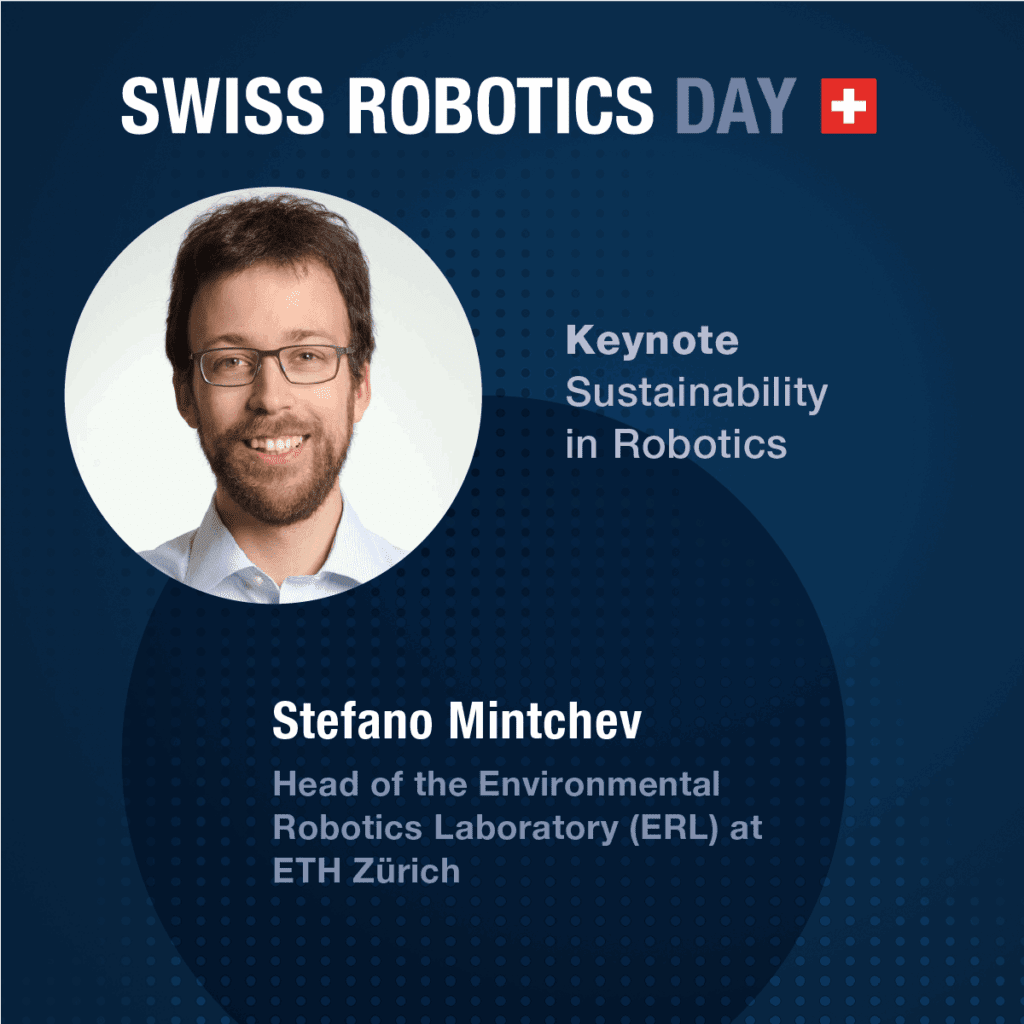
Stefano Mintchev is an Assistant Professor of Environmental Robotics at the Swiss Federal Institute of Technology in Zurich (ETH Zurich), Switzerland. He earned his Ph.D. in Bioinspired Robotics from Scuola Superiore Sant’Anna in Italy in 2014. His postdoctoral research at the Swiss Federal Institute of Technology in Lausanne (EPFL) focused on bioinspired design principles for versatile aerial robots. In 2018, he co-founded Foldaway Haptics and served as its CTO until 2020, when he joined ETH Zurich. At ETH Zurich, Stefano leads a research group working at the intersection of robotics and environmental science, developing robust and scalable bioinspired robotic technologies for monitoring and promoting the sustainable use of natural resources.


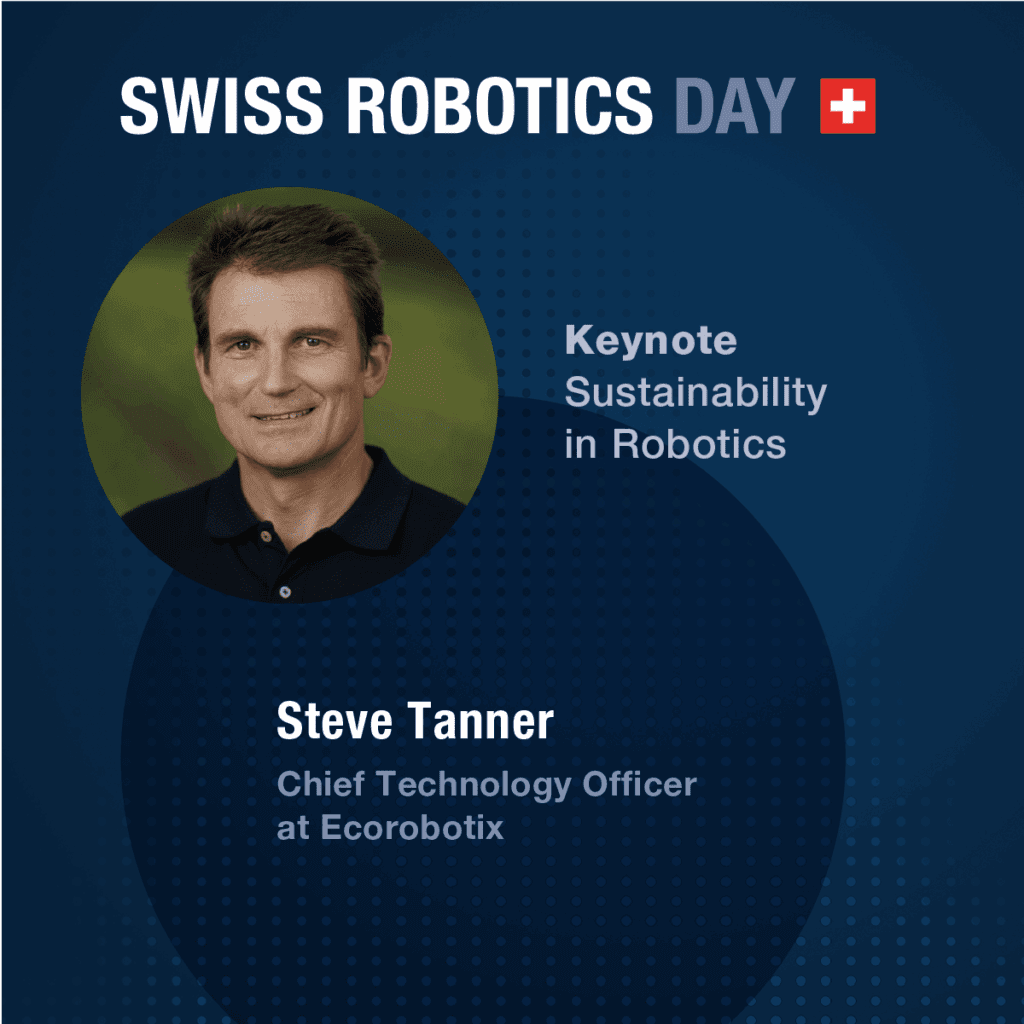
Steve Tanner obtained a Master in micro-engineering from EPFL (Ecole Polytechnique Fédérale de Lausanne) in 1996, and a Ph. D. in microelectronics on CMOS digital image sensors from the University of Neuchâtel in 2000. From 2001 to 2013, he worked as researcher and team leader at UniNE and EPFL on a wide range of R&D projects in mixed-signal integrated circuit design for many applications and industries. He authored or co-authored more than 30 scientific publications. He also worked in environmental protection in Ecuador from 2003 to 2005. In 2011, he co-founded Ecorobotix, a company developing, producing and selling farming machines for sustainable agriculture using AI and robotics technology. He is currently the CTO and leads the research and product development.

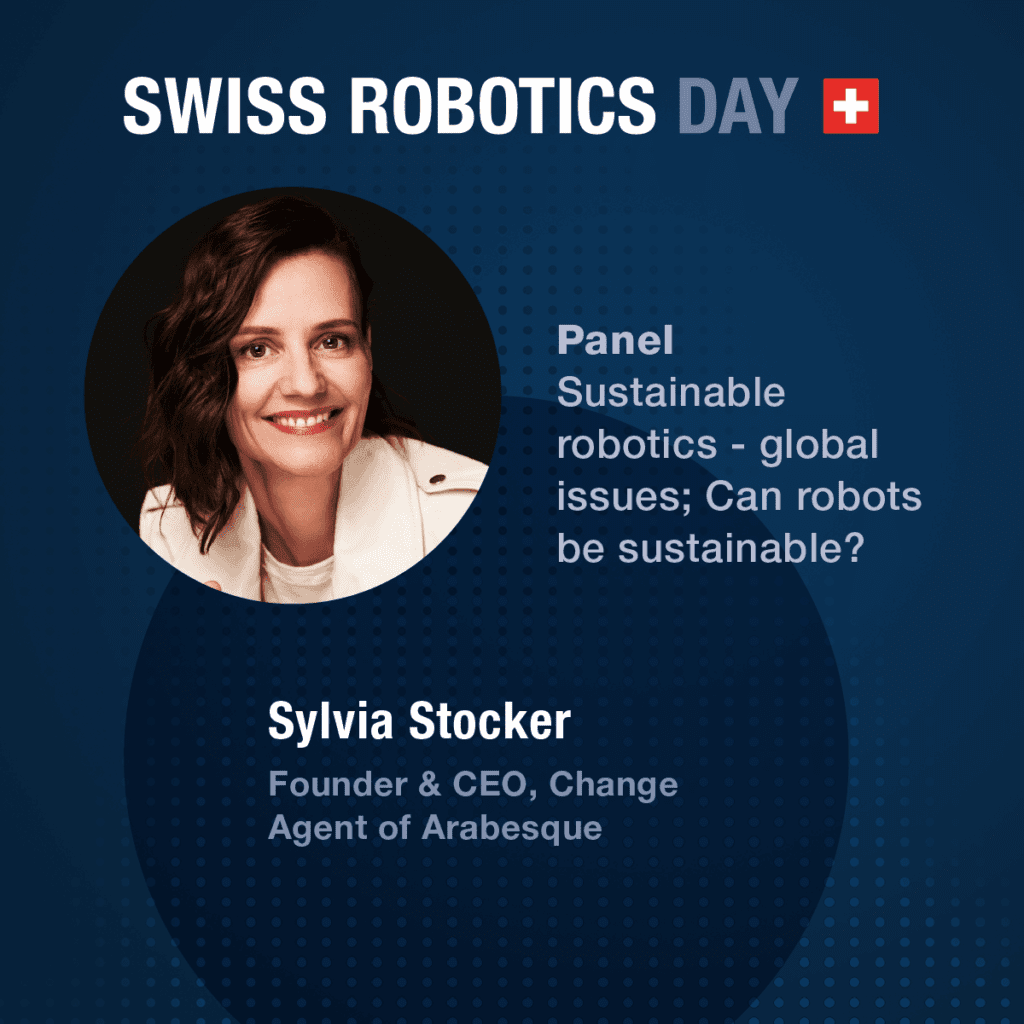
Sylvia Stocker is the Founder and CEO of Arabesque, bringing a unique perspective that bridges robotics, business, communications, and the performing arts. With professional experience in New York, Paris, and London, she combines creative and strategic thinking to drive human-centred innovation. Sylvia holds an altMBA from Seth Godin’s program in New York, a BBA from CEIBS, and studied performing arts at the Alvin Ailey School as well as private banking business management.

Speakers

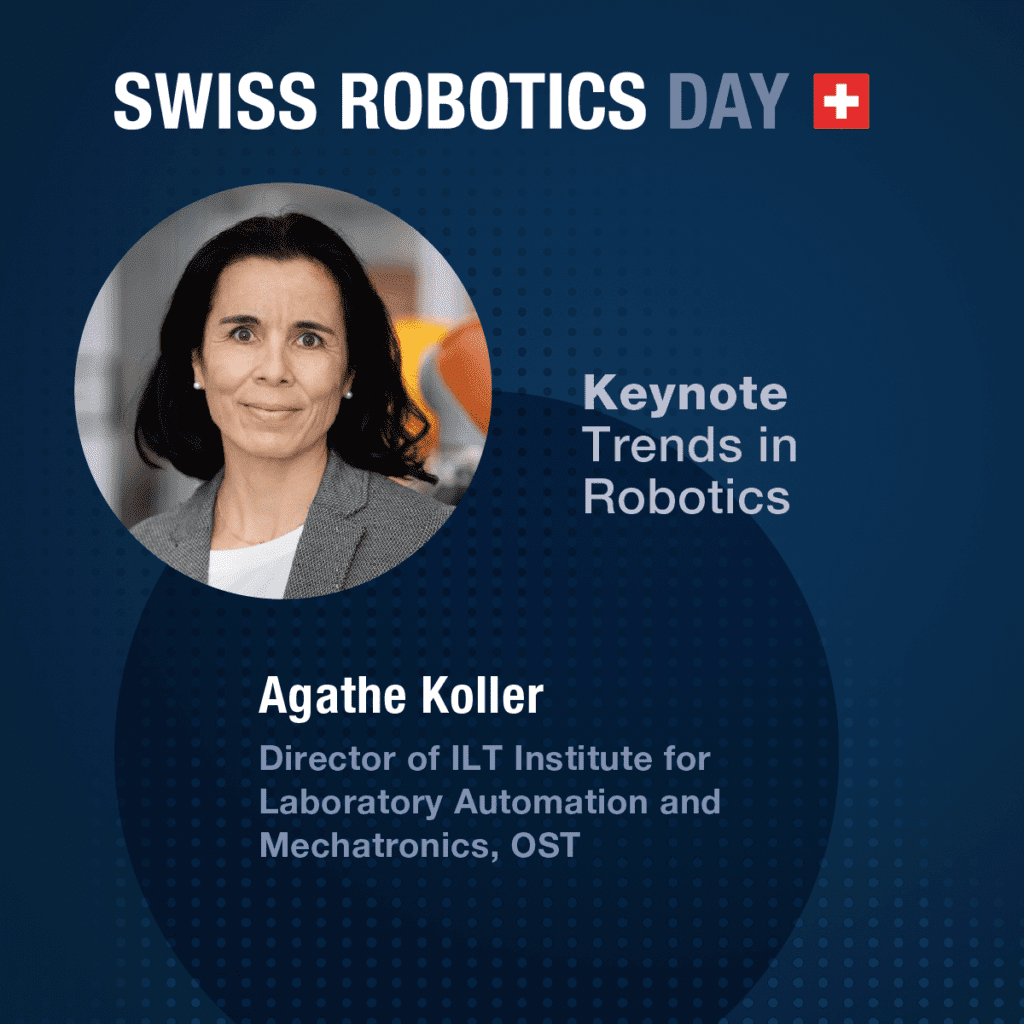
Agathe Koller

Head of Institute for Lab Automation and Mechatronics, OST – Ostschweizer Fachhochschule

Agathe Koller studied Microengineering at the EPF Lausanne (CH) and, within a one-year exchange program, Electrical and Computer Engineering at Carnegie Mellon University in Pittsburg (USA). She got a Master’s degree in Genie Industriel from the Institute National Polytechnique in Grenoble (F) and earned a PhD in robotics from the ETH Zurich (CH). She then worked for five years in the development of robotics platforms at Tecan, an internationally active laboratory automation company in Männedorf. She then became a professor of robotics and automation at the University of Applied Sciences in Rapperswil, also named OST – Ostschweizer Fachhochschule.

Agathe Koller is head of the Institute for Lab Automation and Mechatronics (ILT) as well as the Medtech Lab Competence Center at OST. Her main research topics include collaborative robotics and automation in life sciences. The institute ILT is specialized in robotics, industrial automation, autonomous systems, life sciences and medical engineering.

Agathe Koller is the program director for the Master of Science in Engineering with its eleven profiles in engineering, construction and planning. She is also expert and member of the Scientific Advisory Board of the Swiss Academy of Engineering Sciences (SATW).

Alexander Schaepfer

Partner at Swisscom Ventures

Alexander joined Swisscom Ventures in 2016 as partner and focuses on investments in the fields of robotics, enterprise software applications and education technology. Prior to Swisscom, Alexander was co-founder and partner at Paris-based Aster Capital.

Before becoming a VC, Alexander headed up Strategy, M&A, Sales and Marketing at Alstom’s €5bn Power Service sector and prior to that held several operational management positions with ABB in the Middle East. He also co-founded and chaired a robotics start-up at ETH Zürich.

He holds a BA from the University of Applied Sciences in St. Gallen and a Masters in Finance (M.Sc.) from London Business School.

Alexander is a board-member in Swiss companies Anybotics, Flyability, Yokoy and xFarm and has led venture investments in the US, Israel, and Europe.

Anca Rusu

Programme Coordinator at Innovation Booster Robotics

As the EPFL focal point for robotics, Anca Rusu leads efforts to build a robust Swiss Robotics Community through initiatives like the Innovation Booster on Robotics and the creation of a Swiss Robotics Association. In this role, she coordinates EPFL Robotics Laboratory visits, promotes research to international media and scientific channels, and supports outreach events. Additionally, Anca oversees the Innovation Booster Robotics program, leading fundraising efforts, developing program strategies, and organizing key robotics events in Switzerland. Furthermore, she provides support for EPFL robotics education initiatives, ensuring equal opportunities and promoting the robotics master and doctoral programs through various communication channels.


With over six years of experience as a project manager at EPFL’s International Risk Governance Center, Anca has led interdisciplinary research endeavors focusing on the risk governance of emerging technologies. Her educational background in communication includes a Bachelor’s degree in communication and public relations, a Master’s degree in Social Sciences with a minor in communication and culture, and a Ph.D. centered on responsible communication concerning AI.


With a multifaceted background in communication and a proven track record in project management and community development, Anca is dedicated to driving innovation and fostering responsible communication practices within the industry.


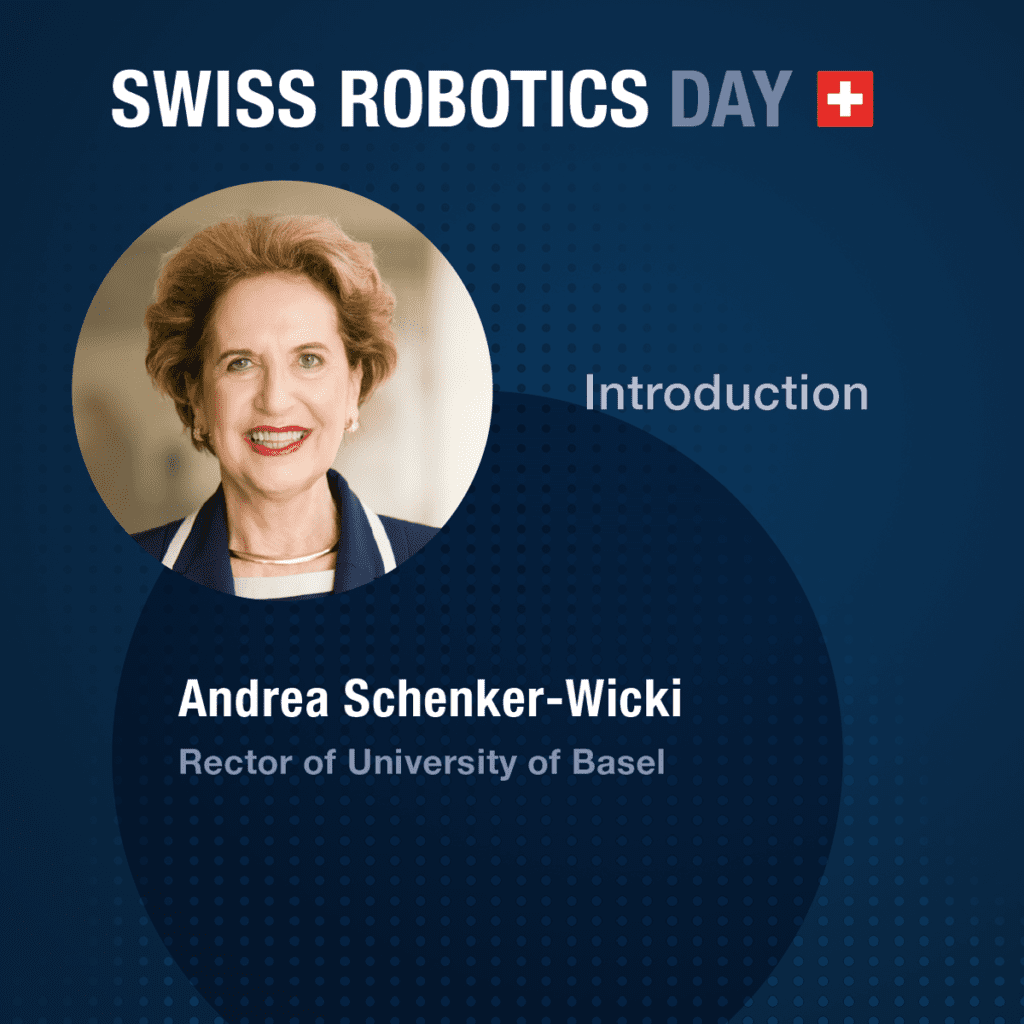
Andrea Shenker-Wicki

Rector of University of Basel

Born in 1959 Andrea Schenker-Wicki holds a master degree in Food Engineering from ETH Zurich and a master degree in Business Administration from the University of Zurich. In 1990 she obtained a doctoral degree from the University of Freiburg in the field of Operations Research and Information Technology. She habilitated in 1996 at the University of St. Gallen with a thesis about the measurement of academic performance.

From 1990 to 1997 Andrea Schenker-Wicki worked at the National Emergency Operations Centre in Zurich, as a research associate and from 1993 on she also became its Head of the information office. For the subsequent four years, she led the section for higher education at the Federal Office of Education and Science (today: State Secretariat for Education, Research, and Innovation).

From 2001 to 2015 she held a full professorship in Business Administration at the University of Zurich and acted as the Director of the Executive MBA as well as the CAS program “Essentials of management”. In addition, she was Vice President for Law and Economics at the University of Zurich between 2012 and 2014. On August 1, 2015, she became President of the University of Basel.

Andrea Schenker-Wicki has joined, among others, the Council of the Zürcher Fachhochschule (ZFH). Furthermore, she was part of the Austria Science Board (2010–2016) and the German Accreditation Council and presided over the Scientific Advisory Board of the Swiss Center of Accreditation and Quality Assurance in Higher Education (OAQ) from 2007 to 2012. From 2012 to 2015, she was a member of the Swiss Science and Innovation Council. The University of Natural Resources and Life Sciences, Vienna (2013) and the Asian University for Women (2023) awarded her honorary doctorates.

Andrea Schenker-Wicki has been President of the University of Basel since 1 August 2015. Her third term of office runs until 31 July 2027.

Credits picture:

Prof. Dr. Dr. h.c. mult. Andrea Schenker-Wicki, President of the University of Basel. (Photo: Universität Basel, Lucia Hunziker) 

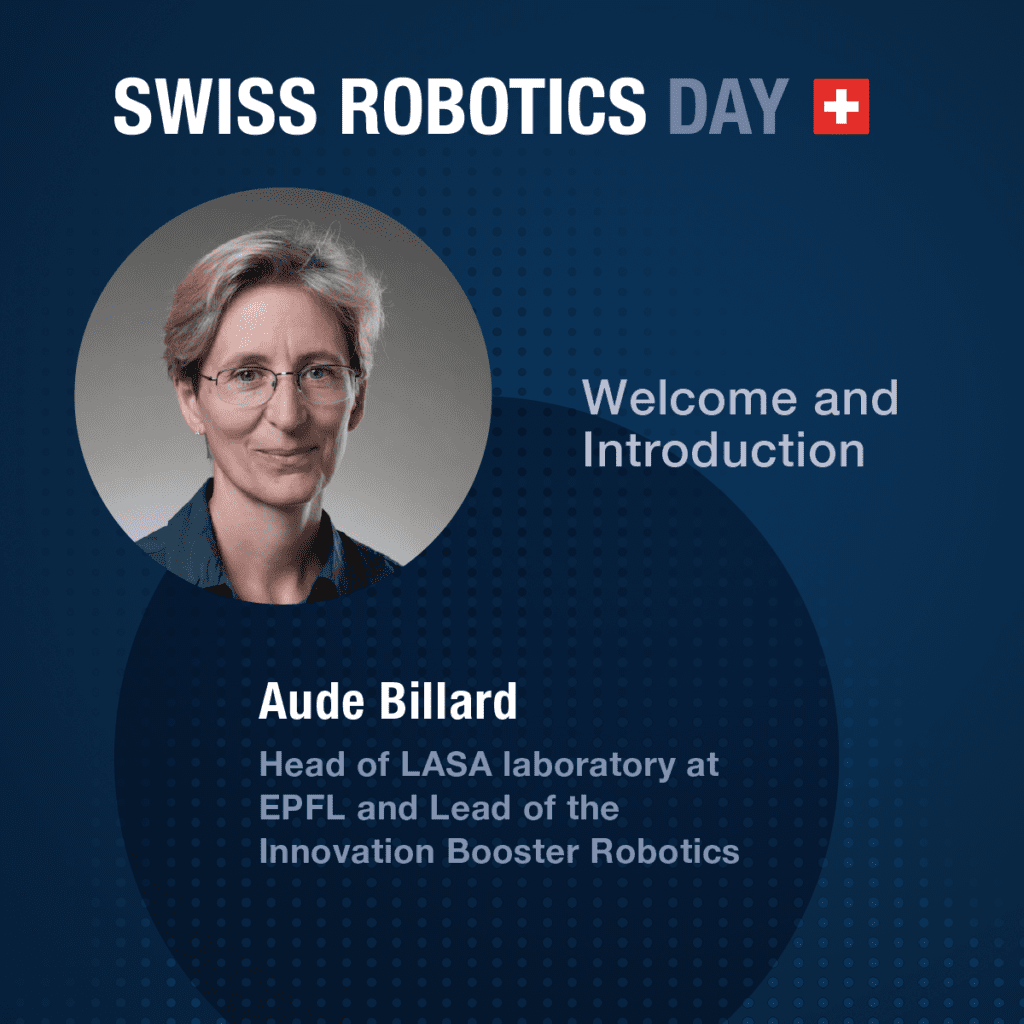
Aude Billard

Head of LASA Lab at EPFL and  Lead of Innovation Booster Robotics

Prof. Aude Billard is head of the LASA laboratory at the School of Engineering at the Swiss Institute of Technology Lausanne (EPFL).

A.B. holds a B.Sc and M.Sc. in Physics from EPFL (1995) and a Ph.D. in Artificial Intelligence (1998) from the University of Edinburgh. A.B. was the recipient of the Intel Corporation Teaching award, the Swiss National Science Foundation career award, the Outstanding Young Person in Science and Innovation from the Swiss Chamber of Commerce, the IEEE-RAS Best Reviewer Award and IEEE-RAS Distinguished Service Award. A. B.’s research spans the fields of machine learning and robotics with a particular emphasis on learning from sparse data and performing fast and robust retrieval. This work finds application to robotics, human-robot / human-computer interaction and computational neuroscience. This research received best paper awards from IEEE T-RO, RSS, ICRA, IROS, Humanoids and ROMAN and was featured in premier venues (BBC, IEEE Spectrum, Wired).

Aude Billard leads the Swiss National Thematic Network Innovation Booster on Robotics, a half a million fund in support of industrial-academic partnerships, and is the current president-elect of the IEEE Robotics and Automation Society.

Auke Jan Ijspeert

Head of the Biorobotics Laboratory (BioRob) of EPFL

Auke Ijspeert is a full professor at the EPFL, and head of the Biorobotics Laboratory (BioRob). He has a B.Sc./M.Sc. in physics from the EPFL (1995), and a PhD in artificial intelligence from the University of Edinburgh (1999). He carried out postdocs at IDSIA and EPFL, and at the University of Southern California (USC). He then became a research assistant professor at USC, and an external collaborator at ATR (Advanced Telecommunications Research institute) in Japan. In 2002, he came back to the EPFL as an SNF assistant professor. He was promoted to associate professor in October 2009 and to full professor in April 2016. His primary affiliation is with the Institute of Bioengineering, and secondary affiliation with the Institute of Mechanical Engineering.

His research interests are at the intersection between robotics, computational neuroscience, nonlinear dynamical systems, and machine learning. He is interested in using numerical simulations and robots to get a better understanding of sensorimotor coordination in animals, and in using inspiration from biology to design novel types of robots and adaptive controllers.  (see for instance Ijspeert et al Science 2007, Ijspeert Science 2014, and Nyakatura et al Nature 2019). He is also investigating how to assist people with limited mobility using exoskeletons and assistive furniture.

He is regularly invited to give talks on these topics (e.g. TED talk given at TED Global Geneva, Dec 8 2015). With his colleagues, he has received paper awards at ICRA2002, CLAWAR2005, IEEE Humanoids 2007, IEEE ROMAN 2014, CLAWAR 2015, SAB2018, and CLAWAR 2019. 

He is an IEEE Fellow, member of the Board of Reviewing Editors of Science magazine, and associate editor for the IEEE Transactions on Medical Robotics and Bionics and for the International Journal of Humanoid Robotics. He has acted as an associate editor for the IEEE Transactions on Robotics (2009-2013) and for Soft Robotics (2018-2021). He was a guest editor for the Proceedings of IEEE,  IEEE Transactions on Biomedical Engineering, Autonomous Robots, IEEE Robotics and Automation Magazine, and Biological Cybernetics. He has been the organizer of 7 international conferences (BioADIT2004, SAB2004, AMAM2005, BioADIT2006, LATSIS2006, SSRR2016, AMAM2019), and a program committee member of over 50 conferences.   

Barbara Horvath

Ceo and Co-founder of Inveel GmbH

Barbara Horvath is the co-founder of Inveel – a startup focusing on the development of high-resolution sensory skins for robots, allowing them to experience the sensation of touch.
In 2012, she earned her Ph.D. at the National Institute for Materials Science (NIMS) in Japan, and the Budapest University of Technology and Economics, Hungary. Following her doctoral studies, she embarked on a postdoctoral journey, spending time at NIMS, Japan and CNRS, France before joining the Paul Scherrer Institute from 2015 to 2019. Transitioning to the corporate sector afterwards, she worked as an R&D Staff Engineer and Global Project Manager at major international companies. Since 2024 April, she is serving as CEO at Inveel GmbH.

Dario Floreano

Head of the Laboratory of Intelligent Systems at EPFL

Dario Floreano is director of the Laboratory of Intelligent Systems at the Swiss Federal Institute of Technology Lausanne (EPFL). Since 2010, he is the founding director of the Swiss National Center of Competence in Research (NCCR) in Robotics, a research program that brings together more than 20 labs across Switzerland.

Prof. Floreano holds an M.A. in Vision, an M.S. in Neural Computation, and a PhD in Robotics. He has held research positions at Sony Computer Science Laboratory, at Caltech/JPL, and at Harvard University. His main research interests are Robotics and A.I. at the convergence of biology and engineering. Prof. Floreano made pioneering contributions to the fields of evolutionary robotics, aerial robotics, and soft robotics. He served in numerous advisory boards and committees, including the Future and Emerging Technologies division of the European Commission, the World Economic Forum Agenda Council, the International Society of Artificial Life, the International Neural Network Society, and in the editorial committee of several scientific journals. In addition, he helped spinning off two drone companies (senseFly and Flyability) and a non-for-profit portal on robotics and A.I. (RoboHub).

Diego Paez-Granados

Head of the SCAI Lab at ETH ZĂĽrich

Dr. Paez is the Head of the SCAI Lab at ETH ZĂĽrich and Swiss Paraplegic Research (SPF) in Switzerland. With a focus on personalized healthcare, his lab utilizes advanced machine learning techniques and wearable sensing to develop assistive decision-making systems that model disease onset and develop digital biomarkers.

Passionate about enhancing healthcare, Dr. Paez is dedicated to creating patient digital twins and leveraging them to develop preventive technologies that support healthcare workers and caregivers. His diverse research interests span human modeling in assistive robotics, human-robot interaction control, explainable models for machine learning in healthcare applications, and biosignal processing.

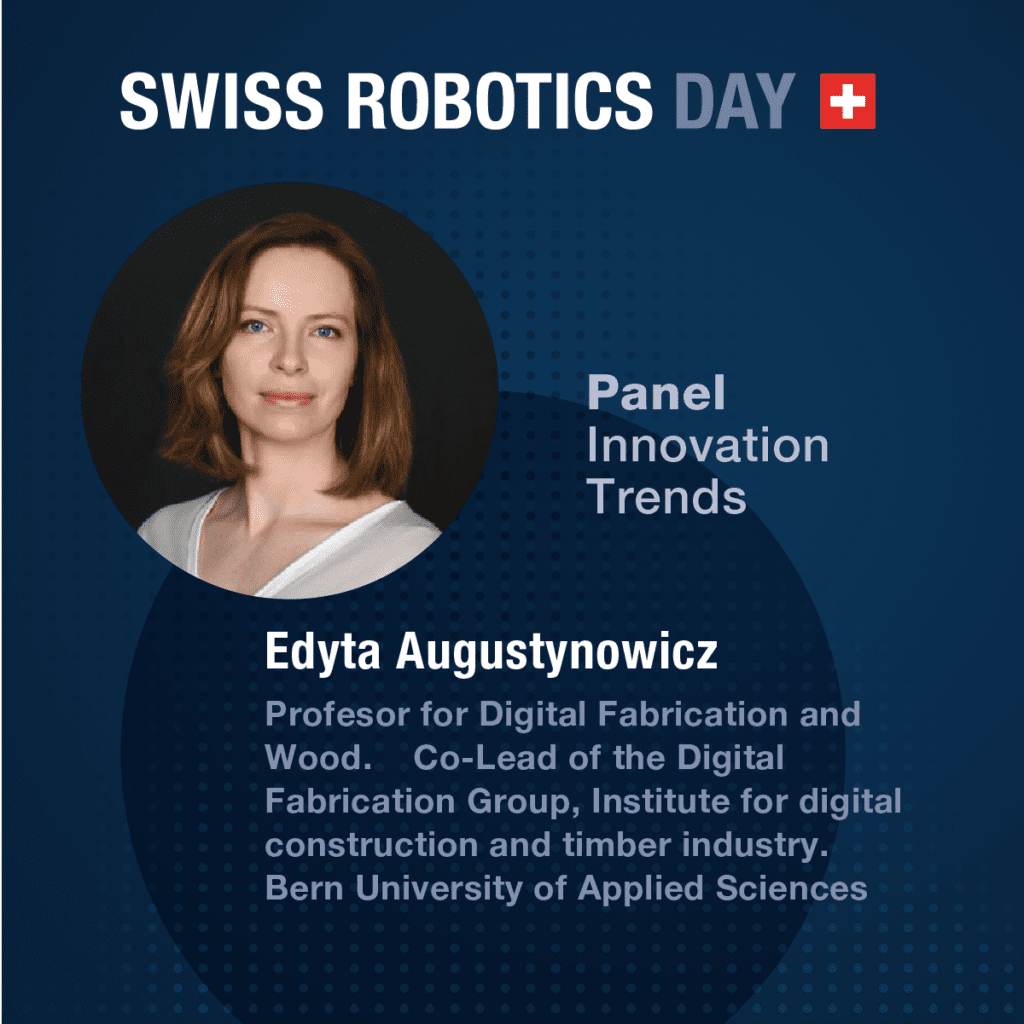
Edyta Augustynowicz

Professor of Digital Wood Fabrication and a co-lead of the group Digital Fabrication at the Department of Architecture, Wood and Civil Engineering at Bern University of Applied Sciences

Edyta Augustynowicz is a Professor of Digital Wood Fabrication and a co-lead of the group Digital Fabrication at the Department of Architecture, Wood and Civil Engineering at Bern University of Applied Sciences. She`s an architect and digital designer with diverse experience in the Swiss construction industry, architecture and academia. After receiving her MAS CAAD from ETH Zurich in 2010, she worked at DT at Herzog and de Meuron, ETH Zurich, ERNE AG Holzbau and FHNW.  Her interests focus on digital design and robotic wood fabrication processes, as well as redefining the role of the architect in digitized construction.

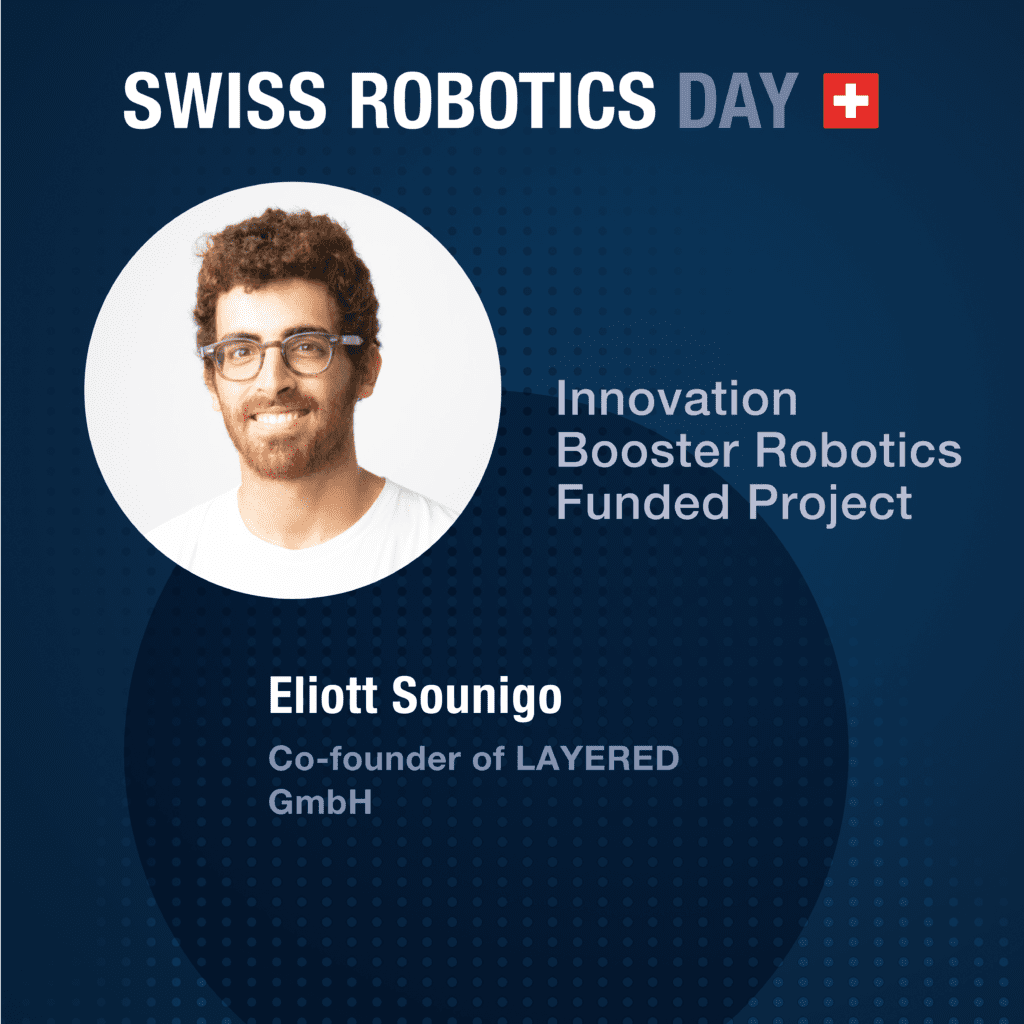
Eliott Suonigo

Co-founder at LAYERED GmbH

Eliott Sounigo is the co-founder of LAYERED GmbH, a startup that aims to transform the construction industry through robotics and digital fabrication. As a researcher at ETH Zurich’s Gramazio Kohler Research, he is deeply engaged in exploring how cutting-edge technology can reshape traditional construction methods. Eliott brings a unique perspective, merging his architectural expertise with hands-on experience from digital fabrication-focused practices. His passion for observing and rethinking conventional building processes drives his vision for the future of construction.


At LAYERED, Eliott leads the development of an autonomous construction robot designed to perform precise on-site surface finishing tasks, enhancing the efficiency, safety, and sustainability of construction workflows. Currently, in its pre-piloting phase, the project has demonstrated rapid progress and tangible results, capturing the interest of major construction partners. Eliott and his team at LAYERED are setting the foundation for a new era in construction where intelligent automation and craftsmanship intersect, aiming to reduce material waste, improve safety standards, and make building processes more adaptable to sustainable materials.


Join Eliott at Swiss Robotics Day to explore how robotics can empower the construction industry and create more resilient and future-ready infrastructure.

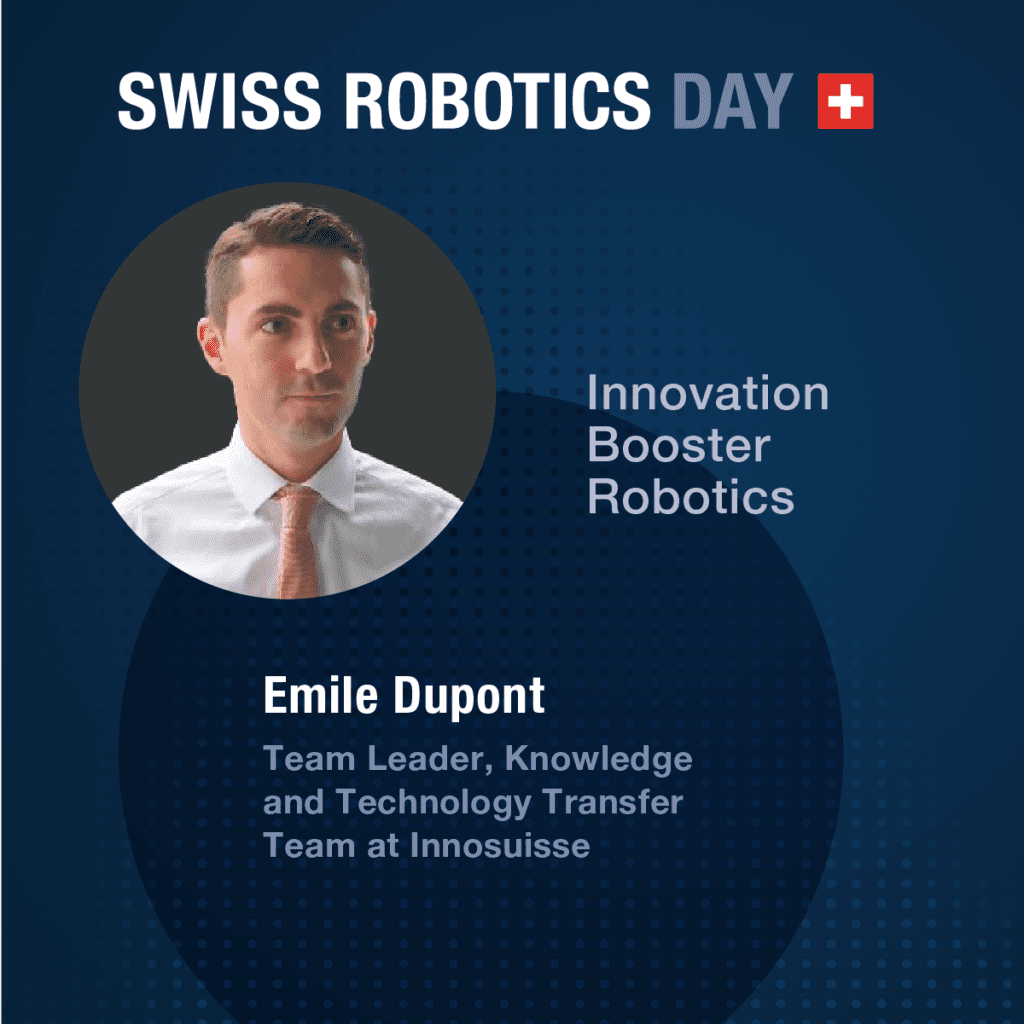
Emile Dupont

Team Leader and Technology Transfer Team at Innosuisse

After receiving his doctorate from EPFL in 2010 in microelectronics engineering, Emile Dupont worked for a few years for a Geneva-based SME active in the semiconductor market. Since 2013, first at Euresearch and then at Innosuisse, Emile has been advising Swiss SMEs and startups on public support for innovation, at European or national level. Responsible for Innosuisse’s technology and skills transfer activities since 2018, he develops and manages with his team the Innovation Booster, Networking Event Series and Innovation Mentoring programmes.

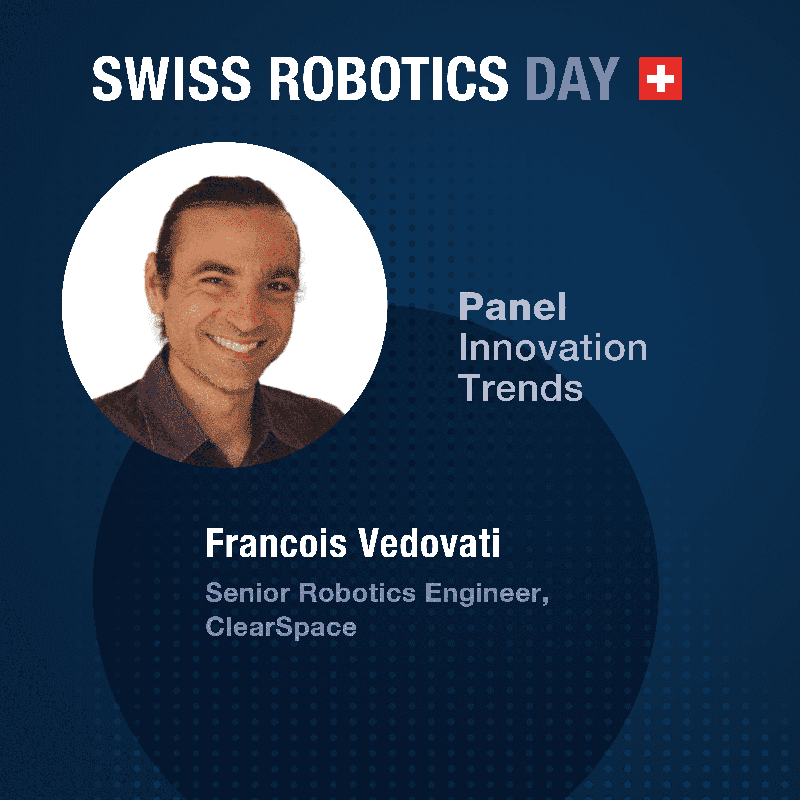
François Vedovati

Senior Robotics Engineer at ClearSpace

Francois Vedovati is an accomplished expert in the space industry, with extensive experience in the development of high-precision mechatronic systems for planetary observation, including Earth, Mercury, and Mars missions. With a multidisciplinary background, Francois is now applying his technical expertise to address one of the most pressing challenges in space exploration: in-orbit debris removal at ClearSpace. His leadership, innovative approach and deep understanding of space technologies are driving advancements in sustainable space operations. Francois achieved his degree from ISAE (Institut Superieur de l’Aéronautique et de l’Espace) and worked at Beyond Gravity Switzerland before joining ClearSpace.

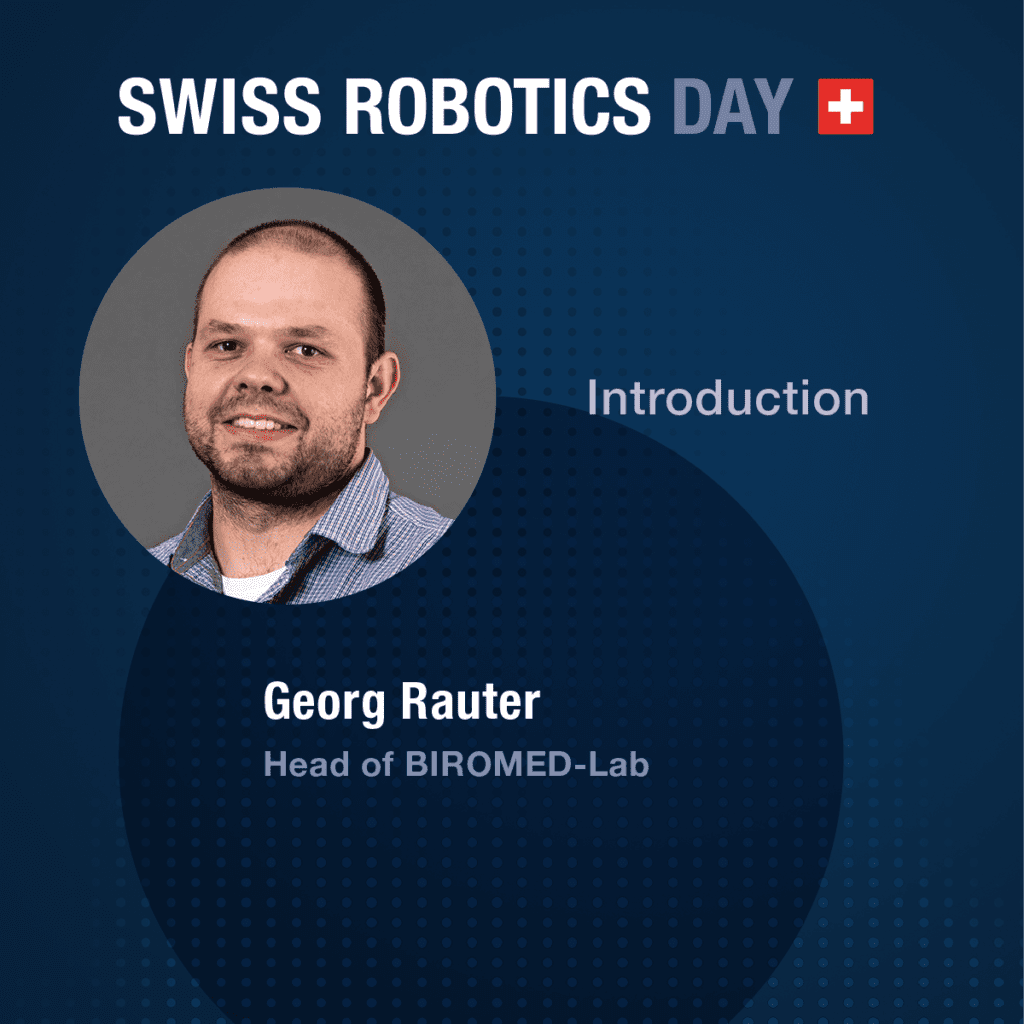
Georg Rauter

Head of Bio-Inspired RObots for MEDicine-Lab (BIROMED-Lab)

Georg Rauter studied Mechatronics in Mechanical Engineering at TU Graz, Austria and Mathematical and Mechanical Modelling at the Engineering School MATMECA at Université de Bordeaux 1, France. He obtained his PhD in human-robot interaction in 2014 from ETH Zurich and continued postdoc positions at ETH Zurich, University of Southern California, and University of Zurich in the fields of rehabilitation robotics and statistical simulation. In 2016, he founded the Bio-Inspired RObots for MEDicine Laboratory (BIROMED-Lab) as an Assistant Professor for Medical Robotics and Mechatronics at the Department of Biomedical Engineering (DBE) of University of Basel. Since 2022, he holds a permanent position as the chair for surgical robotics. His research focuses on development of medical robots from idea to functional prototypes with the support of interdisciplinary research and industry teams.

Photo from Stefan Schneller, ETH Zurich

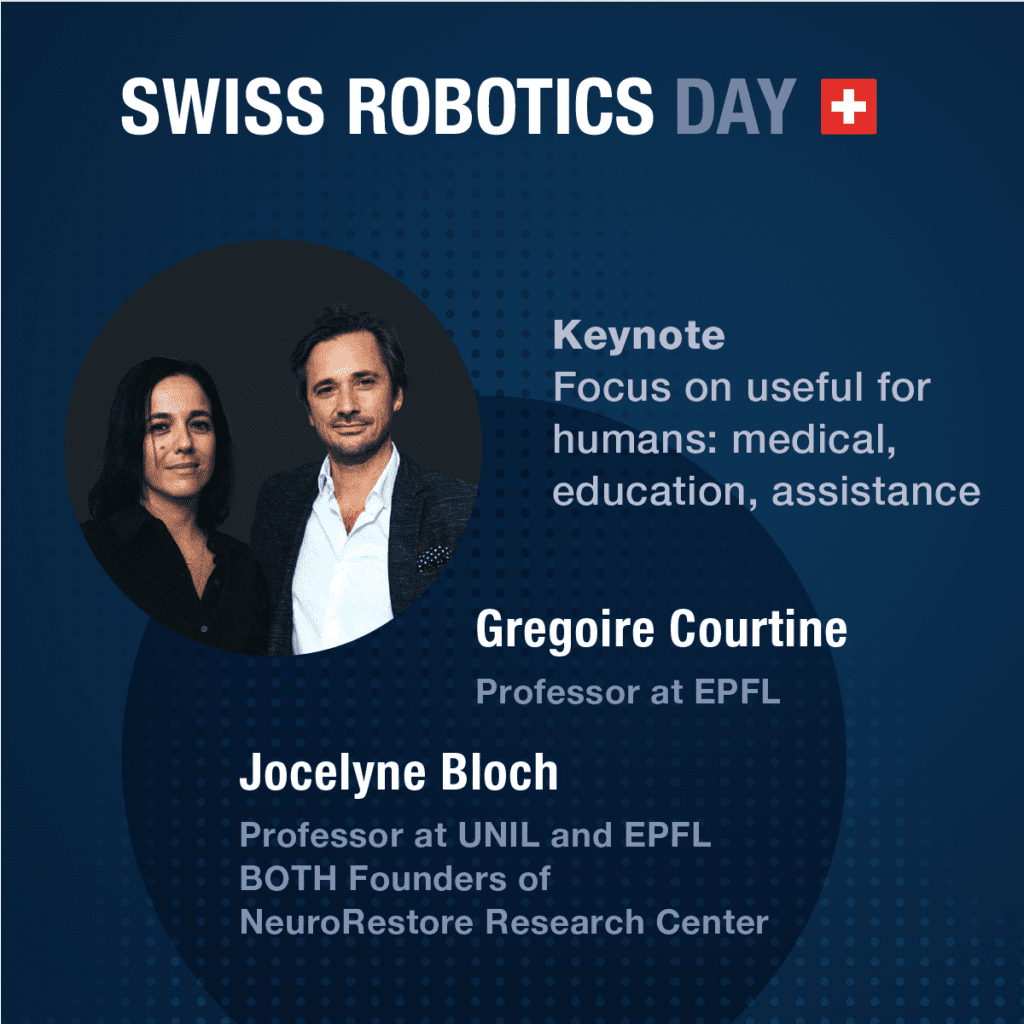
Jocelyne Bloch and Prof. Gregoire Courtine

Founders of the NeuroRestore Research Center

Jocelyne Bloch is neurosurgeon at the University Hospital Lausanne (CHUV) where she leads the functional neurosurgery unit, while G. Courtine is a neuroscientist with a background in physics. Jocelyne and G. are Professor within the NeuroX institute of the Ecole Polytechnique Fédérale de Lausanne (EPFL), within the neurosurgical department of CHUV, and at the Faculty of Medicine of the University of Lausanne (UNIL). Together, they founded the center NeuroRestore, which develop bioengineering strategies involving neurosurgical interventions to restore neurological functions. In 2014, they. also co-founded ONWARD Medical (Euronext: ONWD) with the aim to translate the therapies developed at .NeuroRestore into clinical treatments. Jocelyne and G. are known worldwide for the conception of neuroprosthetic implants that restored walking in people with paralysis. 

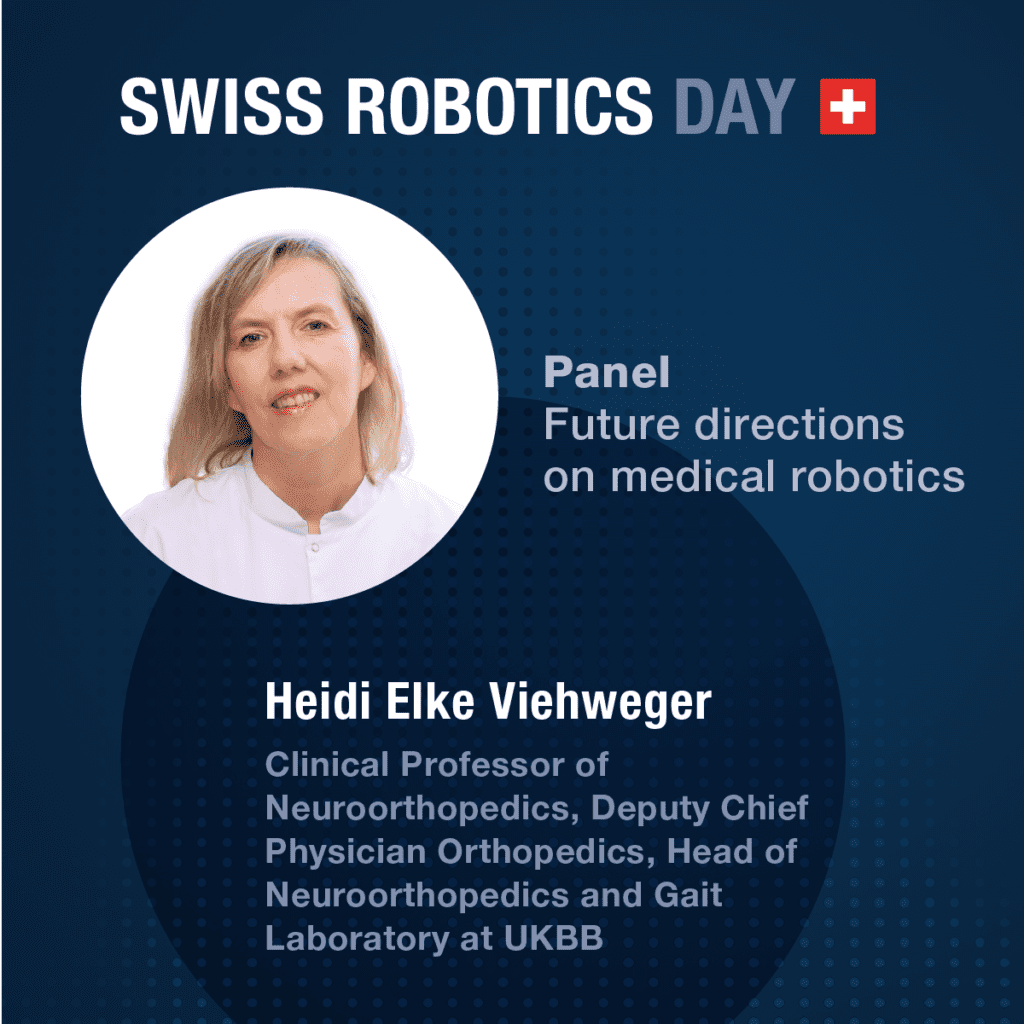
Heide Elke Viehweger

Clinical Professor of Neuroorthopedics, Deputy Chief Physician of Orthopedics , Head of Neuroorthopedics, Head of Gait Laboratory

Heide Elke Viehweger is a senior orthopedic surgeon and holds the professorship in Neuroorthopaedics at the University Children’s Hospital Basel (UKBB) and Basel university, with expertise in the care for children with cerebral palsy. She has a long and distinguished career in clinical and research activities, having worked in Paris and Marseille, France before joining UKBB in 2020.

She is head of the department of neuro-orthopedics and the center of motion analysis and deputy chief physician of orthopaedics at UKBB. Her research activity as research group lead at the Department of Biomedical Engineering (DBE), mainly focuses on the biomechanical aspects of neurological and gait deviations, altered muscle and tendon properties and lever arm dysfunction.

She is interested in the multidisciplinary care and the implementation of evidence-based guidelines for children with neurologic and neuromuscular diseases. Furthermore, Prof. Viehweger is interested in the clinical application of robotics in rehabilitation and surgery, and she supports innovation and digital transformation in outcome evaluation and care, including patient-reported outcome measurement.

She has published many papers on topics such cerebral palsy, foot deformities, motion analysis and quality of life. Besides that, she is a member of the European Paediatric Orthopaedic Society and the European Society of Motion Analysis in Adults and Children (ESMAC), local organizer of ESMAC 2025 in Basel, Switzerland, and is the actual president of the French speaking society of Motion Analysis in Children and Adults (SOFAMEA). Due to her international status in both the clinical field and clinical research, Prof. Dr. Heide Elke Viehweger is a respected and visionary leader in her field.

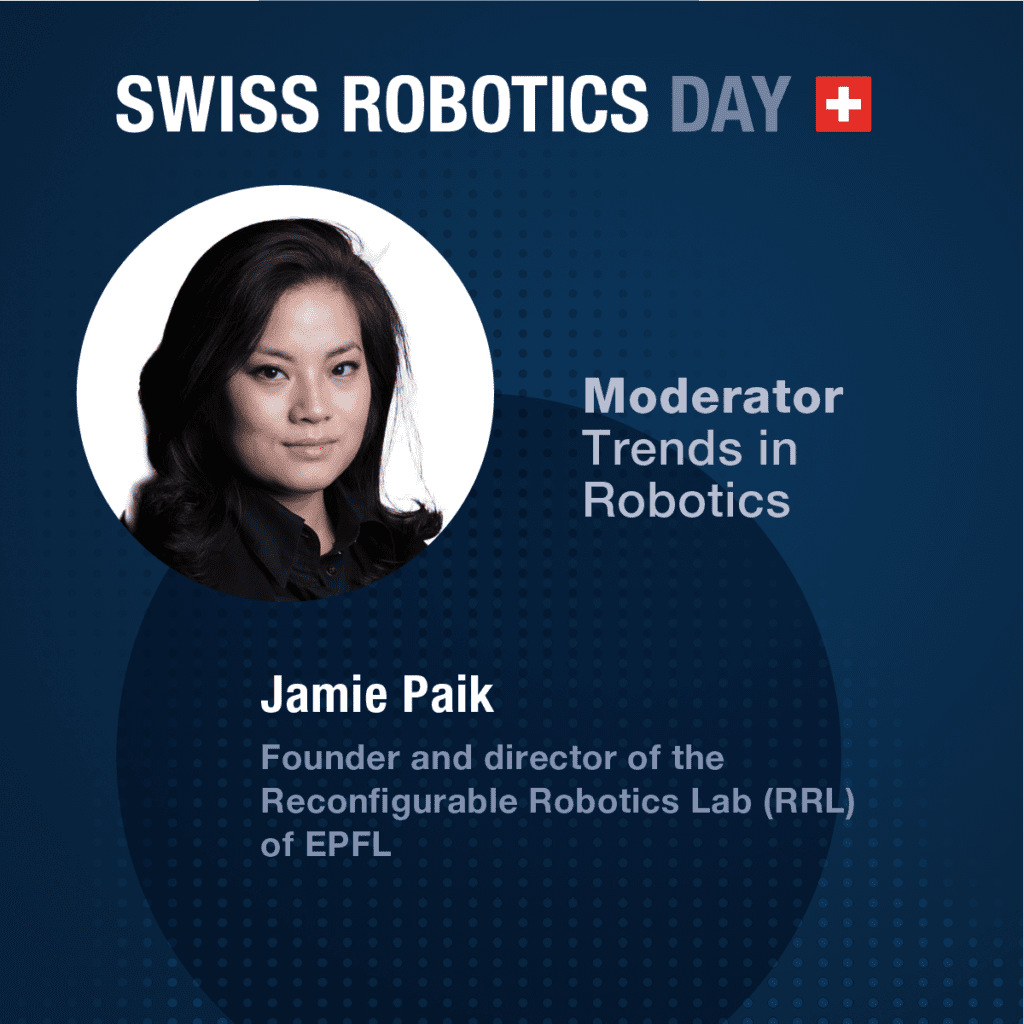
Jamie Paik

Director of the Reconfigurable Robotics Lab (RRL) of Swiss Federal Institute of Technology (EPFL)

Prof. Jamie Paik is founder and director of the Reconfigurable Robotics Lab (RRL) of Swiss Federal Institute of Technology (EPFL) and a core member of Swiss NCCR robotics group. The RRL leverages expertise in multi-material fabrication and smart material actuation for novel robot designs. She received her PhD in Seoul National University on designing humanoid arm and a hand while being sponsored by Samsung Electronics. This 7-DoF humanoid arm was the lightest in the literature at that time being 3.7kg including the 8-DoF hand. During her Postdoctoral positions in the Institut des Systems Intelligents et de Robotic in Universitat Pierre Marie Curie, Paris VI, she developed laparoscopic tools named JAiMY that are internationally patented and commercialized now by Endocontrol-medical.com. At Harvard University’s Microrobotics Laboratory, she started developing unconventional robots that push the physical limits of material and mechanisms. Her latest research effort is in soft robotics including self-morphing Robogami (robotic origami) that transforms its planar shape to 2D or 3D by folding in predefined patterns and sequences, just like the paper art, origami. 

Jean Marc Collet

Global Head Medical Robotics & Managing Director at Stäubli

With 3 decades experience in industrial robotics and automation, Jean-Marc is Global Head of Medical Robotics & Managing Director, Switzerland, at Stäubli.                                                      His passion for the Man-Machine relationship and his ongoing commitment to the development of robotics ecosystems have enabled him to build up a global expertise.                                           His constant aim is to create values and build inspiring partnerships to offer even greater performance to users of Stäubli robots.

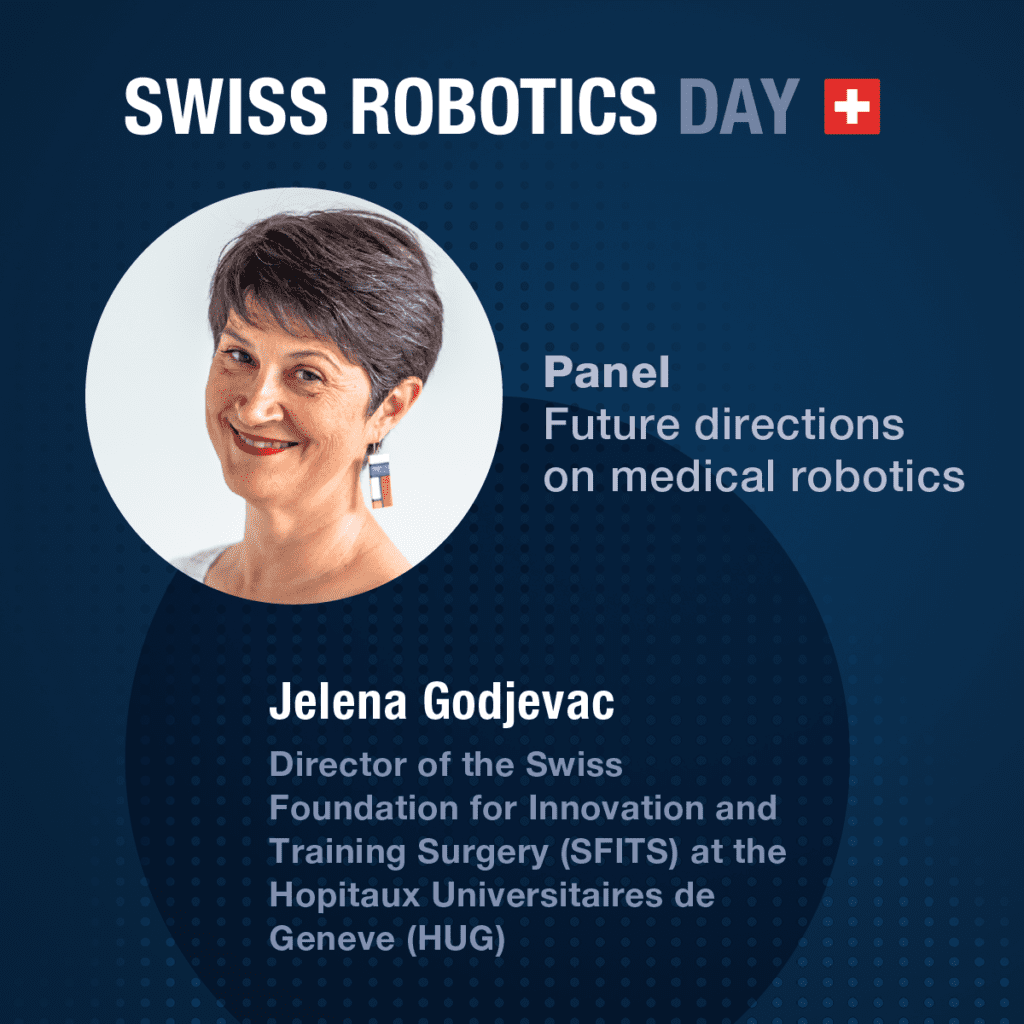
Jelena Godjevac

CEO at the Swiss Foundation for Innovation and Training Surgery

Jelena is the CEO of the Swiss Foundation for Innovation and Training in Surgery (SFITS), funded by Geneva University Hospitals, which is a high tech educational and research Center dedicated to all professionals in the interventional medical disciplines. It is the first platform of its type and size in Switzerland. SFITS also operates as an online platform in these domains. 

Her initial task was to set-up the Center from scratch. Currently, she is responsible for all aspects of the Center’s strategic and operational activity. After just 7 years, the Center has established active collaboration with more than 200 faculty members, mostly surgeons and engineers acting in a volunteer capacity, and is recognized as a major change management achievement in a complex medical environment such as the Geneva University Hospitals. 

The Center facilitates more than 700 training and research sessions every year,  hosts 7 research projects funded by the EU, the Swiss National Science Foundation and private Swiss donors. It also created and has an ongoing training platform providing more than 50 interactive modules dealing in all levels and disciplines of interventional medicine.

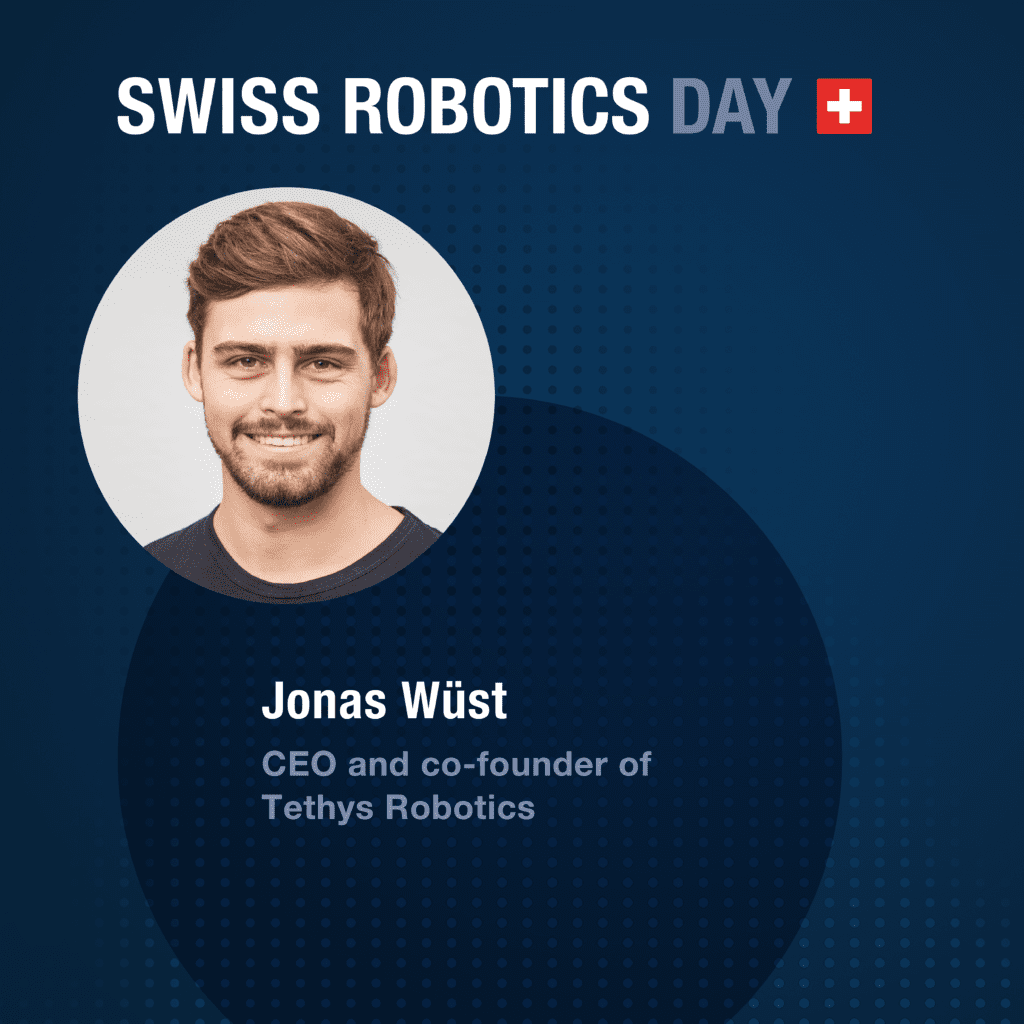
Jonas WĂĽst

CEO and Co-founder of Tethys Robotics

Since co-founding Tethys Robotics in 2018, Jonas Wüst has played a pivotal role in its growth, transforming the team from a research-based initiative into a fully-fledged ETH spin-off. He holds a master’s degree in mechanical engineering and a CAS from ETH in Entrepreneurial Leadership for Technological Ventures. With the support of his team, he has successfully secured over CHF 1 million in equity-free funding through grants, research contracts, and convertible loan agreements. He also led the proposal for the ongoing financial support from the Wyss Zurich Translational Center. Additionally, he has won initial customer contracts and proof-of-concept projects that continue to bolster our go-to-market efforts today.

Josef Grab

Chief Physician of Insurance Medicine at SUVA 

Josef Grab studied medicine at the University of Fribourg and Bern, where he also completed his doctorate. He pursued his residency to become a surgeon in various hospitals in Central Switzerland. After completing his residency, he began working at Suva as a specialist in the field of insurance medicine. A few years later, he was promoted to senior physician. Since 2020, he has been the CMO of Insurance Medicine at Suva. During his time at Suva, he completed a Master’s degree in advanced studies in insurance medicine and an Executive MBA HSG in Insurance and Financial Services.

Lukas Engelberger

Head of the Department of Health at Canton Basel and Director of Swiss Conference of Cantonal Ministers of Public Health.

Dr. iur. Lukas Engelberger has extensive legal and political experience. From 2005 to 2014, he was a corporate legal counsel at F. Hoffmann-La Roche AG in Basel. Before that, he worked as an attorney at Bär & Karrer in Zurich (2003–2005). He holds a Dr. iur. from Bern University (2003) and an LL.M. from University College London (2003). He was admitted to the bar in Basel-Stadt in 2001 after completing internships in a law firm and cantonal administration.

In politics, Engelberger has been a board member of the Swiss Conference of the Cantonal Ministers of Public Health (GDK) since 2014 and became its President in 2020. He also serves on the decision-making body for the Intercantonal Agreement on Highly Specialised Medicine (IVHSM) and has been a board member of Swissmedic (since 2017) and Cantosana AG (since 2019). Additionally, he joined the board of the foundation for the Institute for European Global Studies in 2020.

Previously, Engelberger served as President of the Conference of the Cantonal Ministers of Public Health for Northwestern Switzerland (2016–2017), President of the Christian Democratic People’s Party (CVP) Basel-Stadt (2013–2014), and was a member of the Great Council (2004–2014).

Manuela Eugster

Group Head of ARTORG Centre at University of Bern

Manuela Eugster obtained an MSc degree in Mechanical Engineering with a specialization in Robotics, Systems, and Control at ETH Zurich in 2016, and a PhD in Biomedical Engineering from the Bio-Inspired Robots for Medicine Lab, Department of Biomedical Engineering, University of Basel, in 2021. She is currently assistant professor at the ARTORG Centre, University of Bern, and at the Department of Neurosurgery, University Hospital of Bern. She heads the Neuro Robotics Group, focusing on developing innovative instruments and technologies for neurosurgery based on robotics and micromechatronics.

Marco Hutter

Director of Robotic Systems Lab, ETH Zurich

 Marco is a professor for robotic systems and director of the center for robotics at ETH Zurich. His research interests are in the development of novel machines and machines and their intelligence to operate in rough and challenging environments. He is part of the National Centre of Competence in Research (NCCR) Robotics and NCCR Digital Fabrication and PI in various international projects (e.g. EU NI, DigiForest) and challenges. Moreover, Marco is co-founder of several ETH Startups such as ANYbotics AG or Gravis Robotics AG, targeting the commercialization of legged robots and autonomous construction equipment.

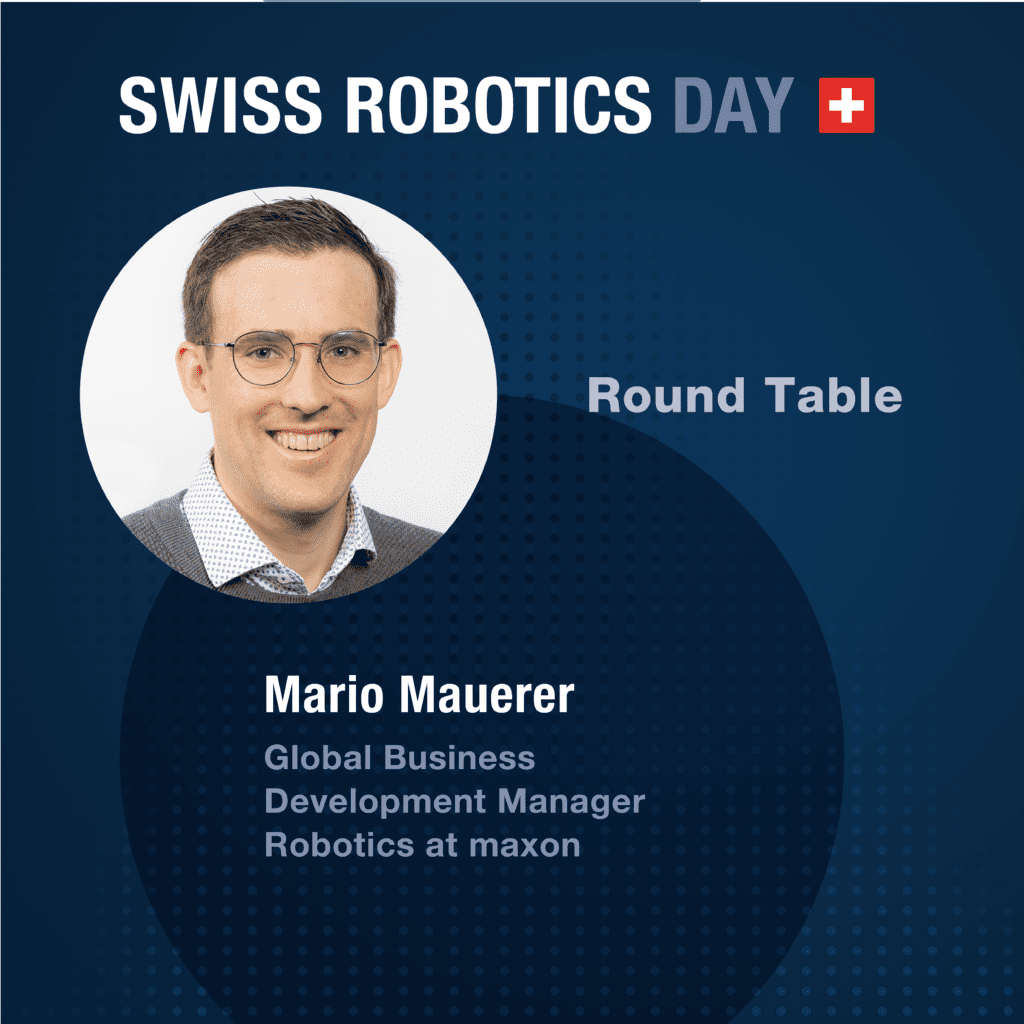
Mario Mauerer

Global Business Development Manager Robotics at maxon

Mario Mauerer is the Global Business Development Manager for Robotics at maxon, a leading provider of advanced motion systems. In this role, he is responsible for shaping go-to-market strategies for maxon’s robotics components, systems, and services, while also playing a key role in defining product and portfolio roadmaps.

Mario earned his PhD in Power Electronics from ETH Zurich in 2018. Following this, he joined Anybotics, where he contributed to the development of advanced actuators and later advanced to team leadership and C-level responsibilities as CTO Hardware.

In 2024, Mario transitioned to maxon, where he is focused on driving the adoption of modern robotics through cutting-edge actuator technologies.

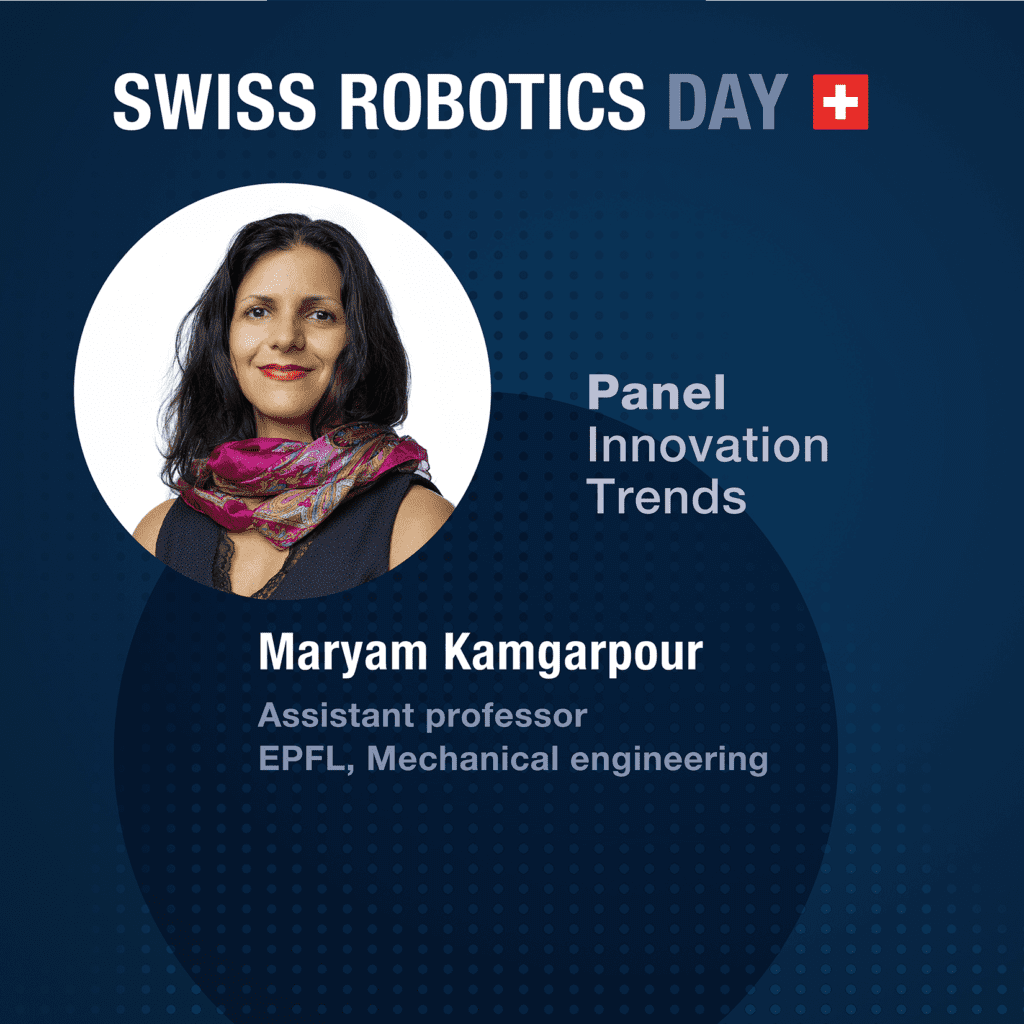
Maryam Kamgarpour

Assistant professor, EPFL, Mechanical Engineering

Maryam Kamgarpour is a professor in the School of Engineering of École Polytechnique Fédérale de Lausanne. Prior to EPFL, she served as a faculty at the University of British Columbia and at ETH Zürich. She holds a Doctor of Philosophy in Engineering from the University of California, Berkeley and a Bachelor of Applied Science from University of Waterloo, Canada. Her research is on stochastic control and multiagent learning and control. Her theoretical research is motivated by control problems arising in intelligent transportation systems, robotics, and power grid systems. She was awarded the European Control Award (2024), European Union Starting Grant (2016-2021), the IEEE Transactions on Control of Network Systems Outstanding Paper Award (2022) andNASA High Potential Individual Award (2010).

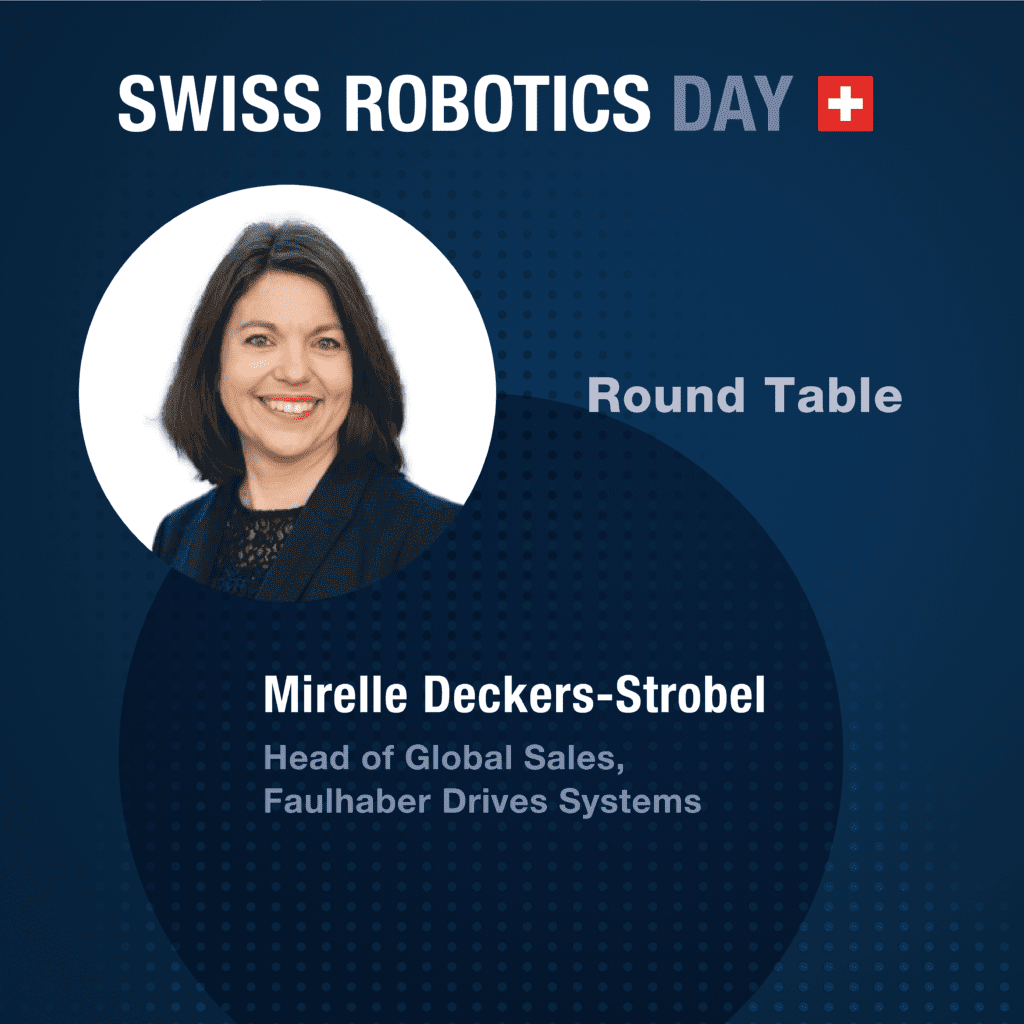
Mireille Deckers-Strobel

Head of Global Sales, Faulhaber Drives Systems

Mireille Deckers-Strobel obtained a Master in Business Engineering from HEC Management School of Liège University in Belgium.

After the graduation in 2002, she started her professional career in Belgium before accepting challenges in France, Switzerland and finally Germany. In 2007 she started at FAULHABER as Inside Sales Engineering for international customers. During the past 17 years she contributed to the international expansion of the company and cooperated in numerous projects in Robotics as well as Medical Devices and Laboratory Automation. Mireille has an extensive expertise in intercultural and technical business environment.


Since October 2023 she is heading the Global Sales Department of FAULHABER with a strong focus on EMEA and Asia.

“Together with our customers we work on precision motion solutions that enable them to improve their next generation of devices of create completely new innovative solutions that will contribute to a better tomorrow.” explains Mireille.

FAULHABER is a global leading supplier of small, highly efficient and high precision drive systems and was founded in 1947 by Dr Fritz Faulhaber, inventor of the self-supporting skew-wound coil. FAULHABER solutions are implemented in Robotics, Aerospace and Aviation, Medical Device, and much more.

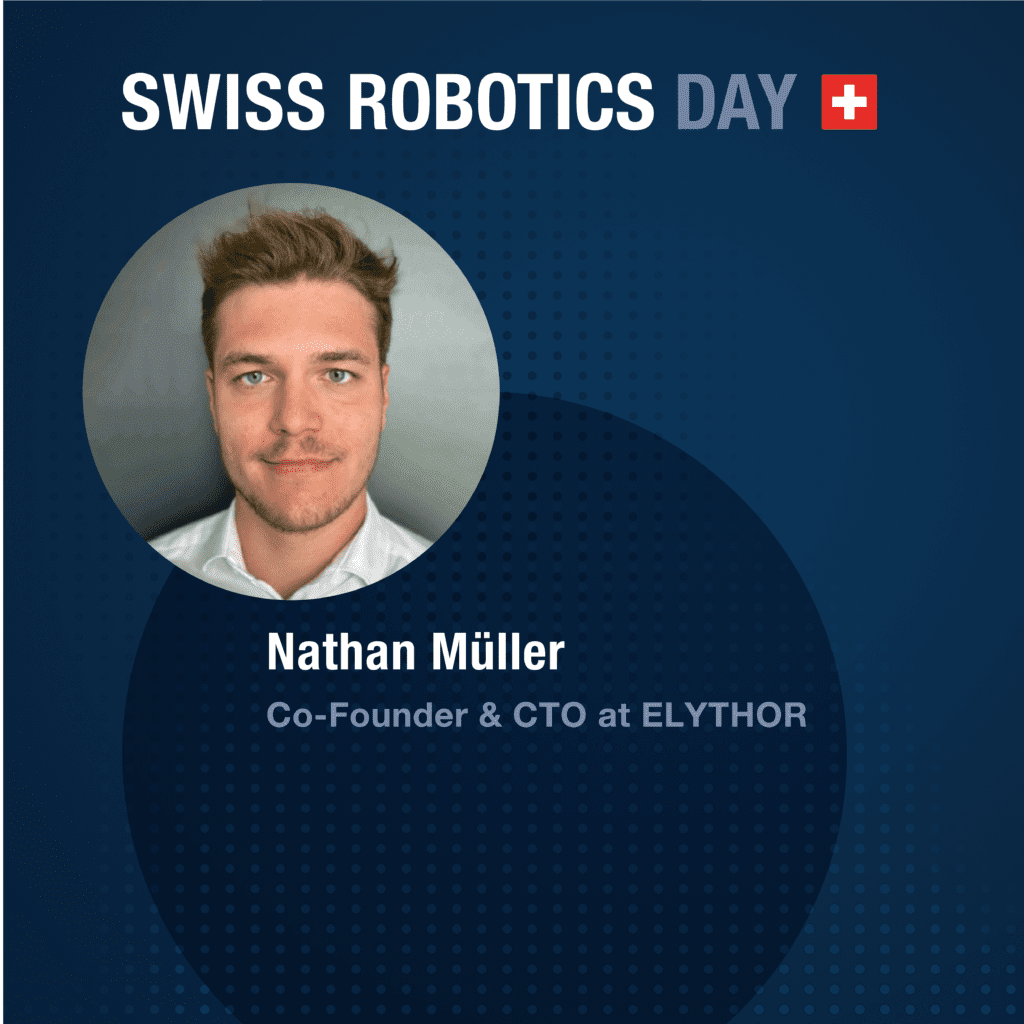
Nathan MĂĽller

CEO and Co-founder of ELYTHOR

Nathan MĂĽller, awarded best of his robotics MSc class, specializes in control engineering, embedded systems, and software engineering. With four years of experience, he has honed a multidisciplinary skill set, notably developing a complete robotic arm for precision tasks, an automated bench for characterizing line-scan cameras, and a dynamic simulation for VTOL drones. In addition, he has cultivated management abilities as the logistics team leader during his mandatory military service in the Swiss Army. Currently, Nathan is the CTO at Elythor, where he leads technological innovation in advanced robotics and aerial systems, while managing a high-performing technical team to drive the company’s strategic development.

Nicola Tomatis

CEO at BlueBotics SA and president of  Swiss Robotics Association

Patrick Helmer

Co-founder at Force Dimension

Patrick Helmer is a co-founder of Force Dimension and serves as the company’s director of Intellectual Property. As an expert in kinematics and mechanical design, he has managed numerous research and development projects in the medical and industrial field

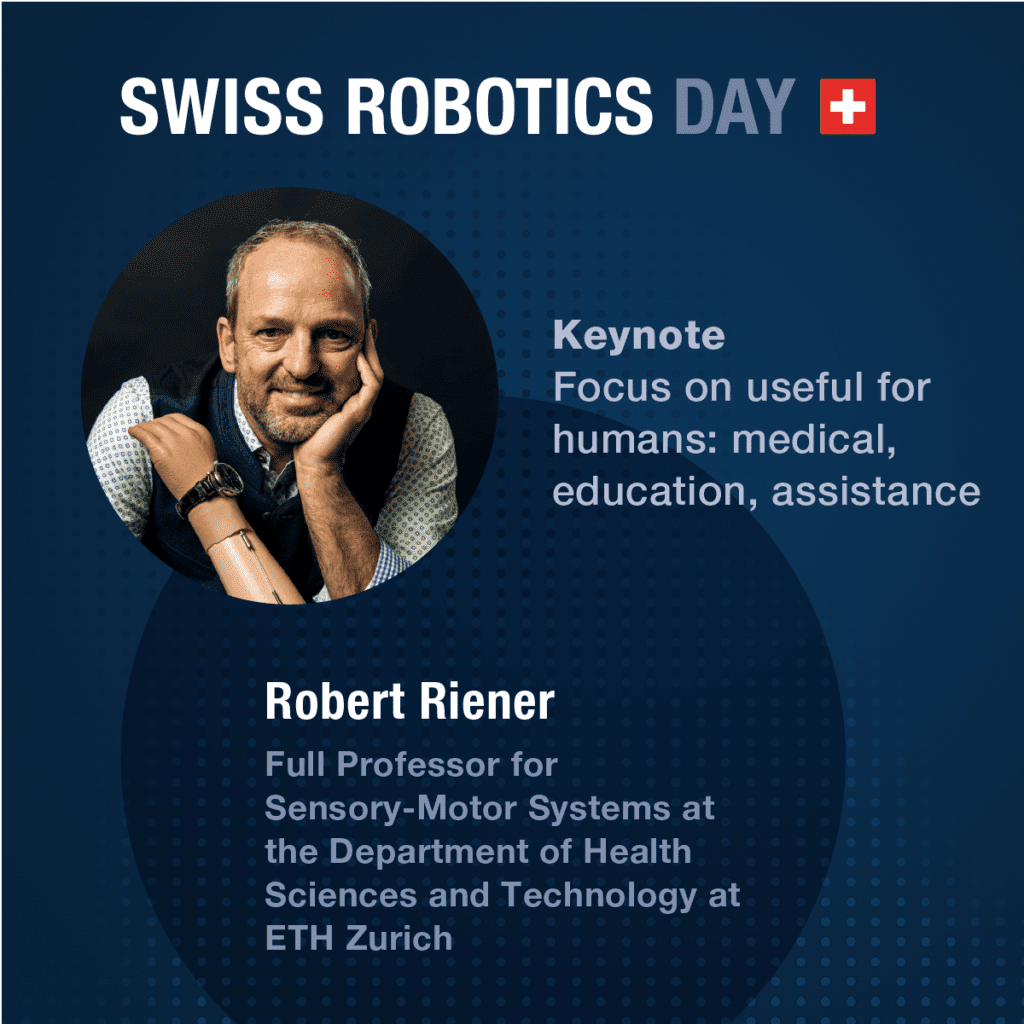
Robert Riener

Professor at Sensory-Motor Systems at the Department of Health Sciences and Technology, ETH Zurich

Robert Riener is full professor for Sensory-Motor Systems at the Department of Health Sciences and Technology, ETH Zurich, and full professor of medicine at the University Hospital Balgrist, University of Zurich. He studied Mechanical Engineering at TU München, Germany, and University of Maryland, USA. He received a Dr.-Ing. degree in Engineering from the TU München in 1997. After postdoctoral work from 1998-1999 at the Centro di Bioingegneria, Politecnico di Milano, he returned to TU München, where he completed his Habilitation in the field of Biomechatronics in 2003. In 2003 he became assistant professor at ETH Zurich and University of Zurich (“double-professorship”); since 2010 he has been full professor for Sensory-Motor Systems at ETH Zurich, and since 2016 also full professor at the medical faculty of the University of Zurich. His work focuses on the development of user-cooperative rehabilitation robots, exoskeletons, and virtual reality technologies. Riener is the initiator and organizer of the CYBATHLON, which was awarded with the European Excellence Award, the Yahoo Sports Technology Award and with two categories of the REIMAGINE Education Award. Since 2022 he is president of the ICORR, the International Consortium of Rehabilitation Robotics, which he co-founded in 2019. In 2018 Riener obtained the honorary doctoral degree from the University of Basel. Since 2023 he is member of the Swiss Academy of Technical Sciences (SATW). Riener is a AAAS Leshner Leadership Fellow and a Thomas Mann Fellow.

Ronja MĂĽller-Bruhn

Founder and CEO STIMIT AG

Ronja MĂĽller-Bruhn is the CEO and founder of STIMIT AG, a pioneering MedTech start-up that aims to revolutionize intensive care through non-invasive technologies. STIMITs first non-invasive therapy uses diaphragm neurostimulation to induce breathing, in patients on ventilators who do not breathe on their own: in order to rapidly wean patients from mechanical ventilation. Patients on prolonged ventilation cost >16 billion in USA, >100 billion worldwide. STIMIT is approaching its first market approval as we speak, we currently focus on North American commercial launch.


In the long run, STIMIT is going to revolutionize critical care and ventilation worldwide: STIMIT’s neuroventilation technology has shown clinically to create tidal volumes, thus ventilate – using a disruptive approach for ultra-lung-protection: Diaphragm induced neuroventilation improves lung mechanics with expected benefits for the lung, the brain, and the heart. Neuroventilation builds on two mega trends: empowering & mobilizing patients, and neurostimulation, and is disrupting critical care & ventilation: towards empowering patients to breathe on their own.


Before founding STIMIT, Ronja worked at Zimmer Biomet, where she launched the iASSIST gyroscope-based movement tracker system in EMEA markets. With 15 patents to her name, Ronja is a driven and visionary medical engineer committed to advancing healthcare. She holds a degree in medical technology, an MBA from Vienna, and has held international roles in large medical device companies. She has also played a key role in fostering entrepreneurship programs at the University of Basel. Ronja’s groundbreaking work has already led to more than 20 awards & innovation grants, revolutionary clinical data published in peer reviewed journals, signaling a significant leap forward in medical science.

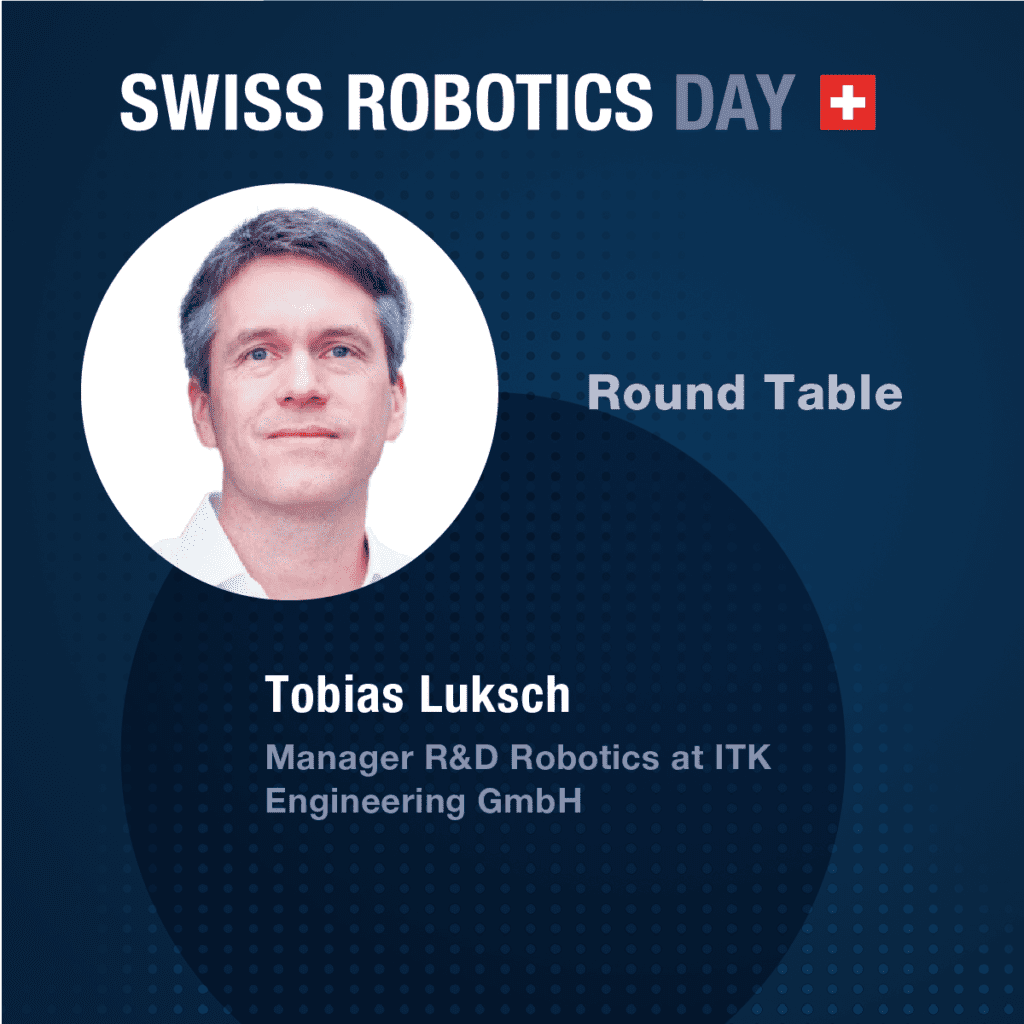
Tobias Luksch

Manager R&D Robotics at ITK Engineering GmbH

Dr. Tobias Luksch is a robotics specialist at the Healthcare business unit of ITK Engineering. In this role, he coordinates pre-development work in the field of robotics and has been working as a project manager and developer in robotics customer projects for 11 years. Dr. Luksch studied computer science with a focus on robotics, adaptive systems, machine learning and control engineering at the Karlsruhe Institute of Technology (formerly University of Karlsruhe). He then earned his doctorate in the Robotics Systems Group at the Technical University of Kaiserslautern, focusing on biologically inspired motion generation for humanoid robots, behavior-based control architectures and mobile robotics.

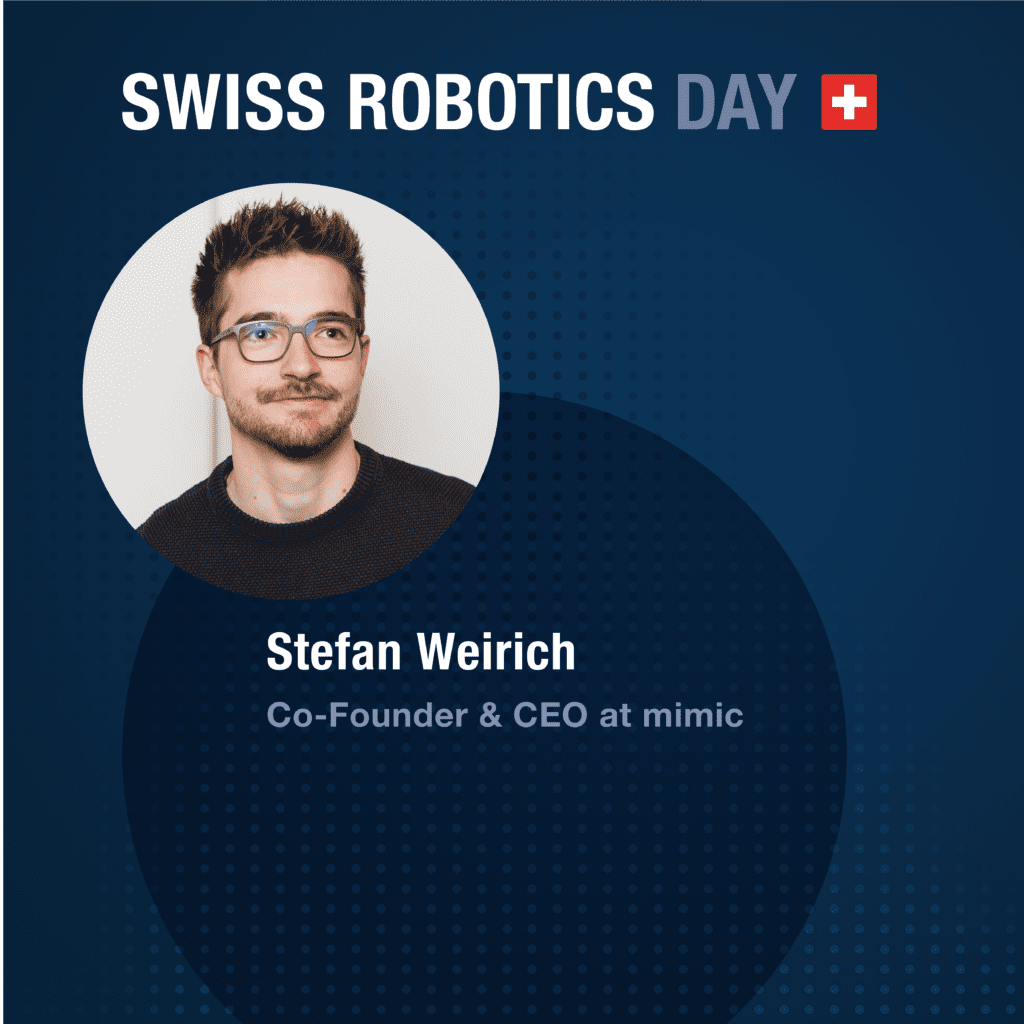
Stefan Weirich

CEO and Co-founder of mimic

Stefan Weirich, Co-founder / CEO at mimic, holds an M.Sc. and B.Sc. in Mechanical Engineering from RWTH Aachen University and a M.Sc. in Industrial Design from the Technical University of Munich (TUM).
Formerly in R&D at Siemens Healthineers and as a researcher at the ETH Soft Robotics Lab, his work in robotics and 3D printing has led to several patents and publications.
In 2024, after 3 years of research and pre-development, Stefan co-founded mimic robotics, a VC-backed robotics & AI start-up based in Zurich.
Mimic develops scalable AI models for universal robotic manipulation, enabled by dexterous robotic hands, to intuitively automate the most complex and tedious manual labor tasks from retail to manufacturing.
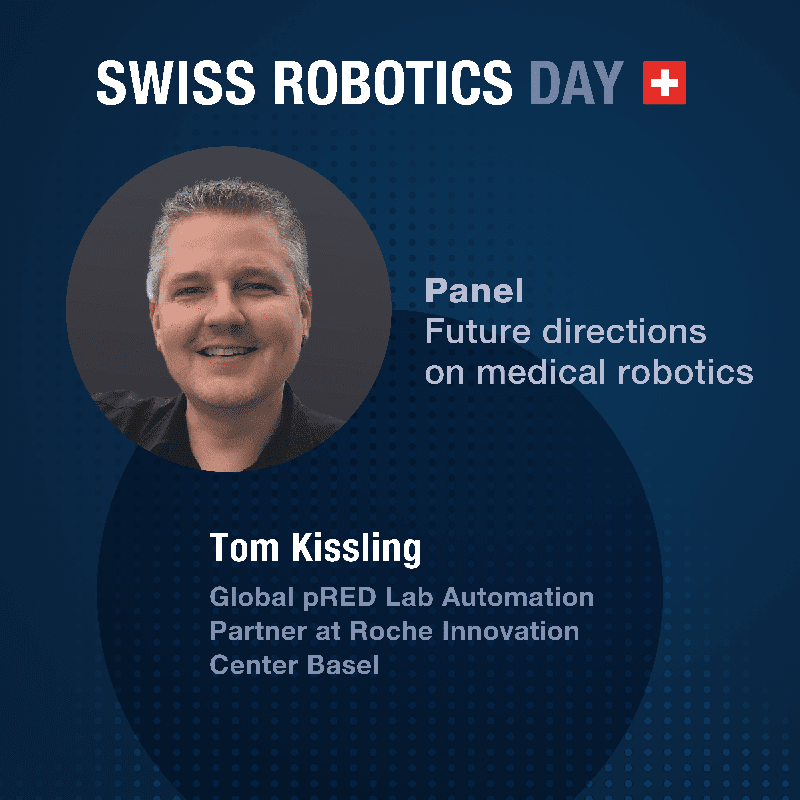
Tom Kissling

Gobal pRED Lab Automation Partner at Roche Innovation Center Basel

Tom Kissling is a skilled professional known in the life science industry for his expertise in Lab Automation & Robotics. With a career spanning over 28 years @ F. Hoffmann – La Roche Ltd, Tom has established himself as a leader in the field of R&D Automation and Operations. He is recognized for his creative and innovative approaches resulting in numerous technology patents and commitment to excellence making an impact by consistently delivering outstanding results. Throughout his career, Tom has been involved in numerous successful projects and initiatives, demonstrating his ability to adapt and thrive in a fast-changing environment. He is a founding member of the SiLA standardization consortium and still active as a director of the board. In addition to his professional achievements, he is also passionate about the cultural heritage of Basel namely the Basler Fasnacht and supports a charity organization with its own aid projects in Nepal.

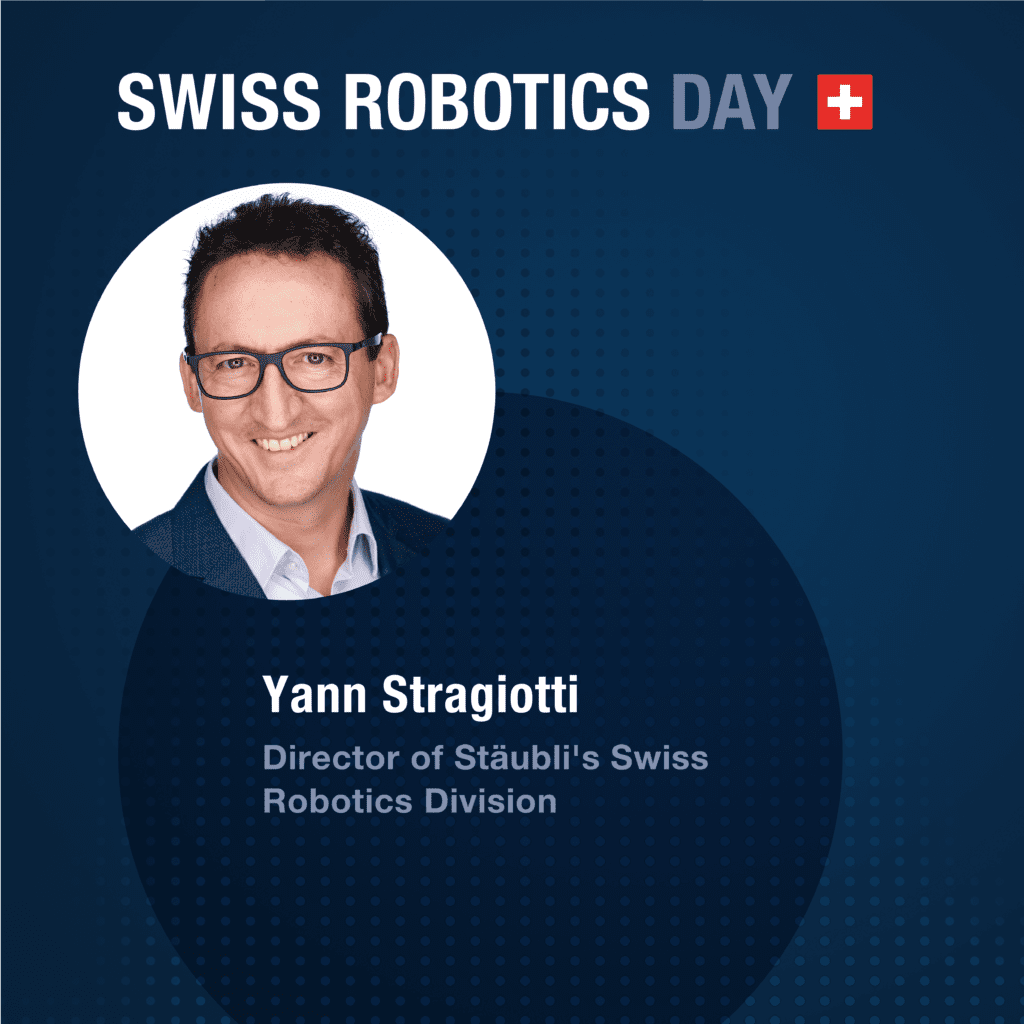
Yann Stragiotti

Director of Stäubli’s Swiss Robotics Division

After graduating as a microtechnology engineer followed by a CAS in Business Management, Yann Stragiotti quickly turned his attention to automation and engineering. Today, as Director of Stäubli’s Swiss Robotics Division, Yann Stragiotti has 20 years’ experience in the robotization of manufacturing processes.